FCI’s new MoU puts technology and accountability at the centre of foodgrain management
The FY 2026–27 agreement is a reminder that food security depends not only on procurement, but also on storage, movement, data and institutional performance.
The day’s important developments, grouped by syllabus relevance rather than newsroom beats.
The FY 2026–27 agreement is a reminder that food security depends not only on procurement, but also on storage, movement, data and institutional performance.

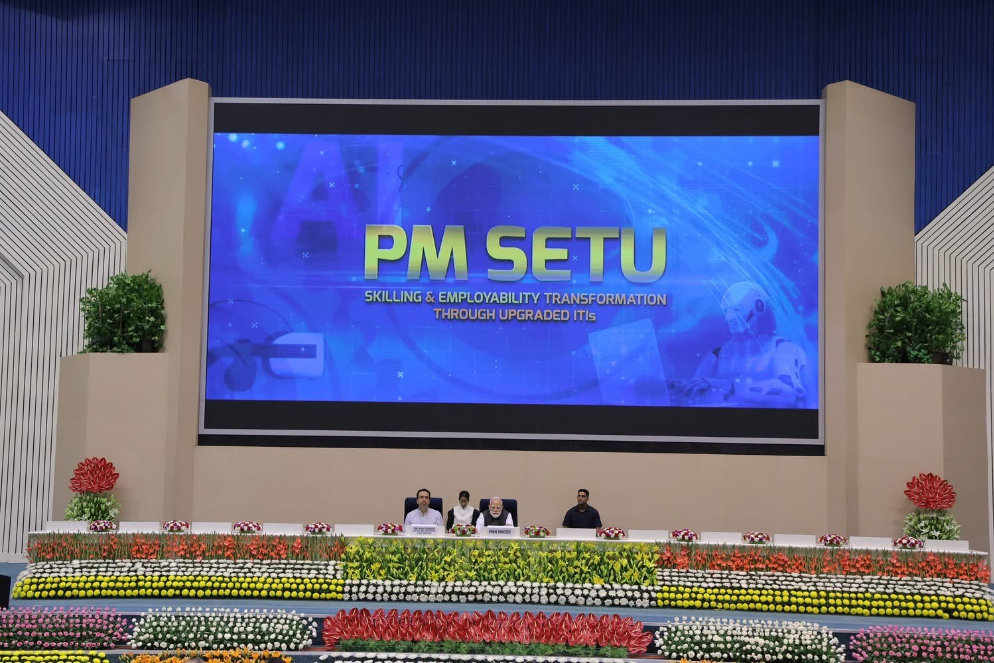
The latest approvals take cumulative sanctioned investment to ₹2,171 crore across nine ITI clusters, with industry participation built into the model.

The DAE-Tata Memorial model is being extended closer to district-level patients, where travel and continuity of care often become major barriers.

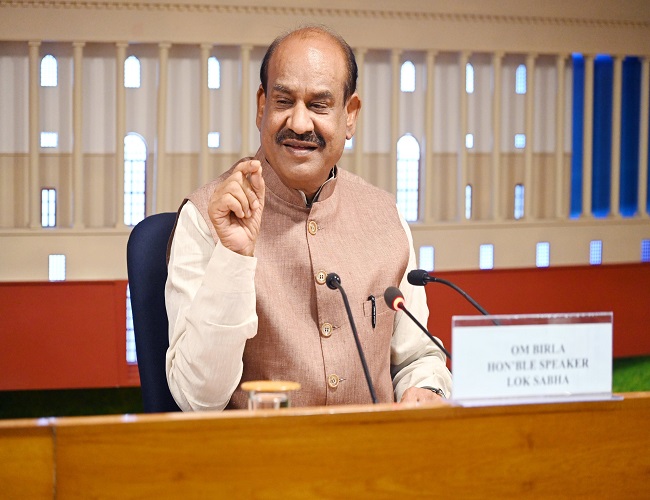
Lok Sabha Speaker Om Birla says the 33% quota can reshape political leadership; the delimitation-linked implementation path remains the key issue.

Enforcement against misleading labels, hygiene failures and unsafe products is exposing the gap between food-market growth and regulatory capacity.

The Delhi hostel collapse has moved from a local building-safety failure to a possible national regulatory question.

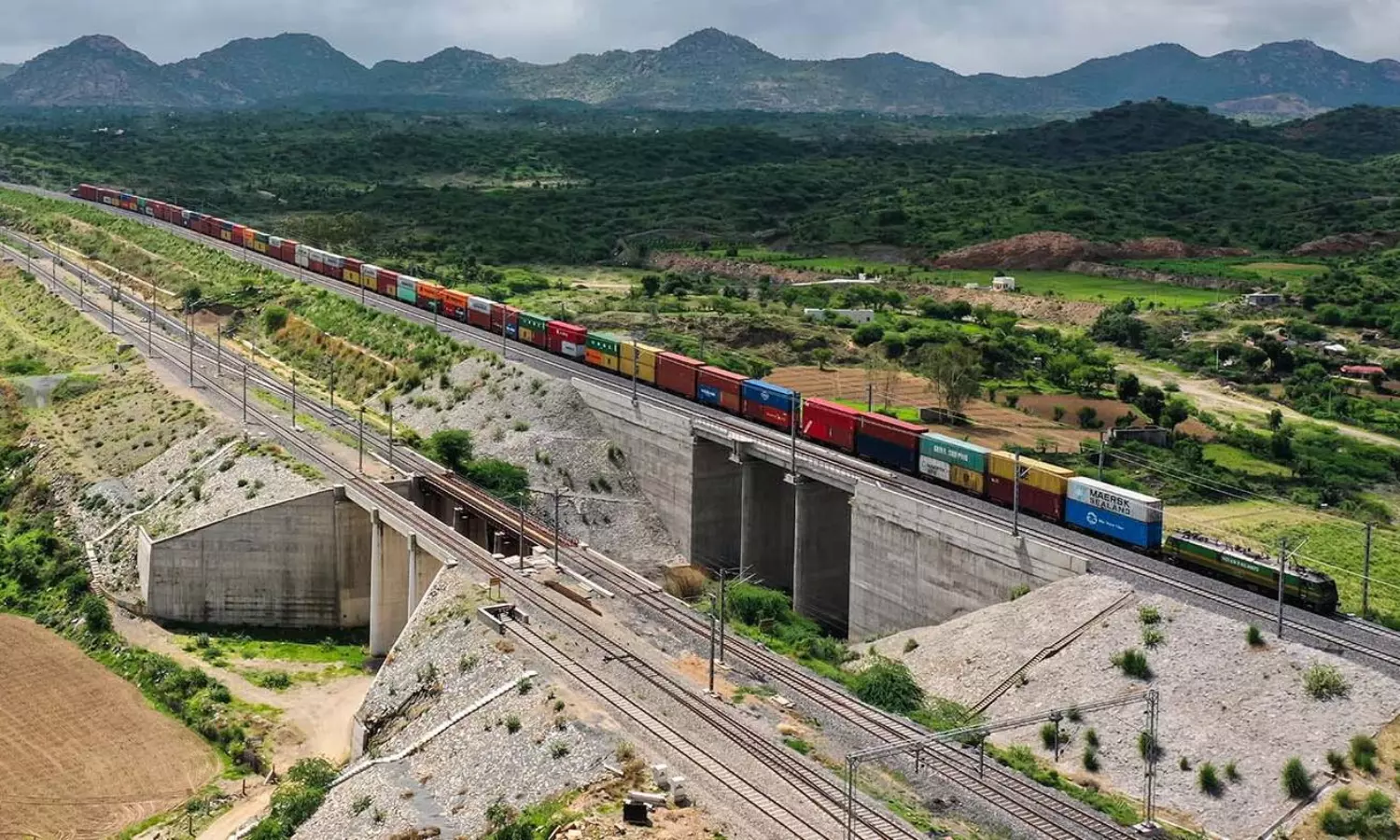
Three final Western DFC sections connect the freight network directly to JNPT, completing a two-decade infrastructure project with major implications for logistics and trade.

Global Fintech Fest 2026 puts emerging technologies at the centre of the next phase of digital finance, with inclusion and trust as the policy test.

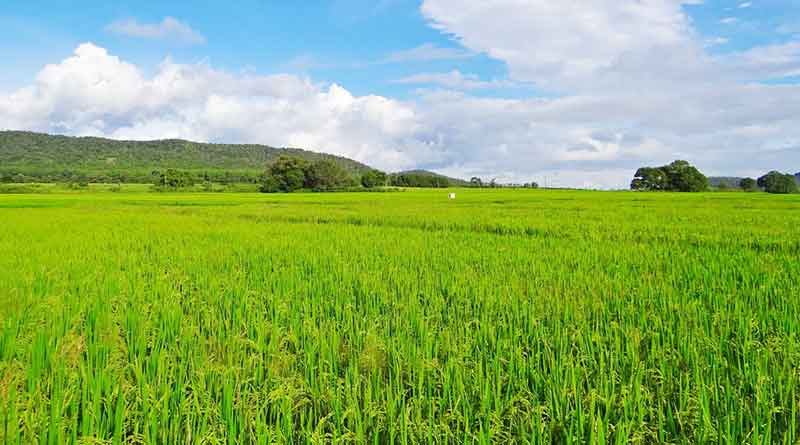
India’s latest sowing data show broad crop coverage holding up, even as rice acreage remains below last year’s level.
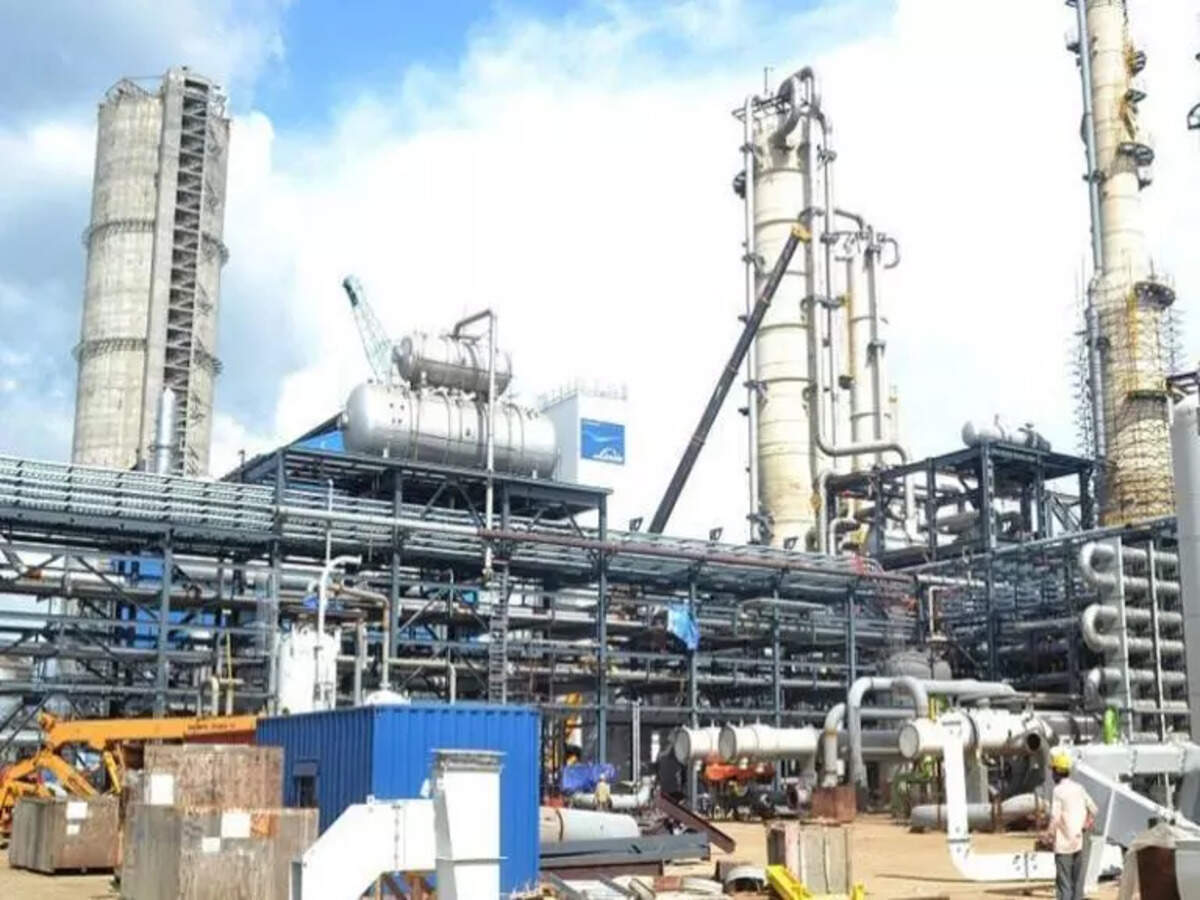
The scheme is designed to turn domestic coal into products such as syngas, urea and synthetic gas while reducing selected import dependencies.
The FY 2026–27 agreement is a reminder that food security depends not only on procurement, but also on storage, movement, data and institutional performance.

The latest approvals take cumulative sanctioned investment to ₹2,171 crore across nine ITI clusters, with industry participation built into the model.
State-run banks were seen selling dollars as the rupee weakened, highlighting how oil and capital flows feed into exchange-rate management.
August exports rose 25% year on year and imports 28.2%, giving policymakers another signal about Chinese demand, industrial strength and global imbalances.
Attacks across Saudi cities injured dozens and disrupted energy facilities, adding another layer of risk to already elevated crude prices.

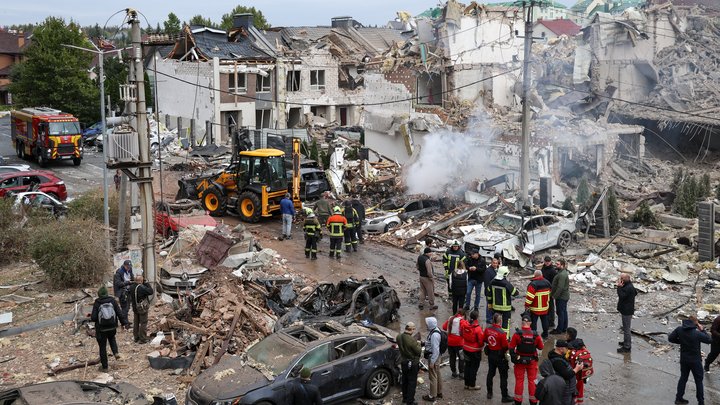
Missile and drone attacks returned after a short pause around US diplomatic activity, underlining how fragile battlefield-to-diplomacy linkages remain.

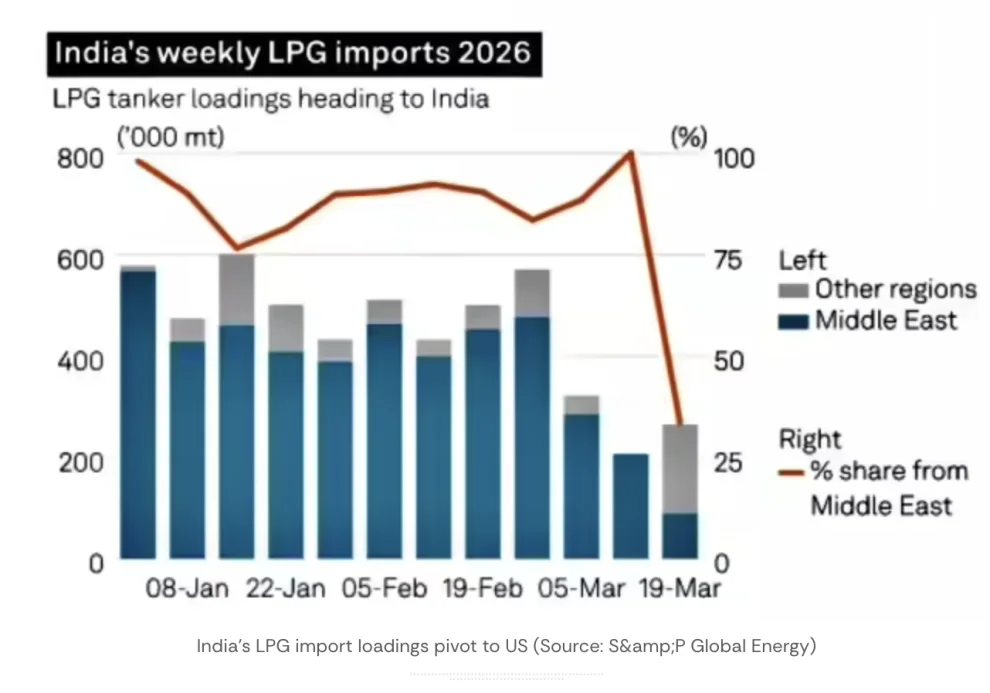
The shift from less than 10% to over 50% in six months shows how the Hormuz crisis is rapidly rewiring India’s energy-supply geography.

East-coast port capacity and alternative energy routes are becoming strategic assets as the Strait’s vulnerability becomes an economic problem for Asia.
The scheme is designed to turn domestic coal into products such as syngas, urea and synthetic gas while reducing selected import dependencies.

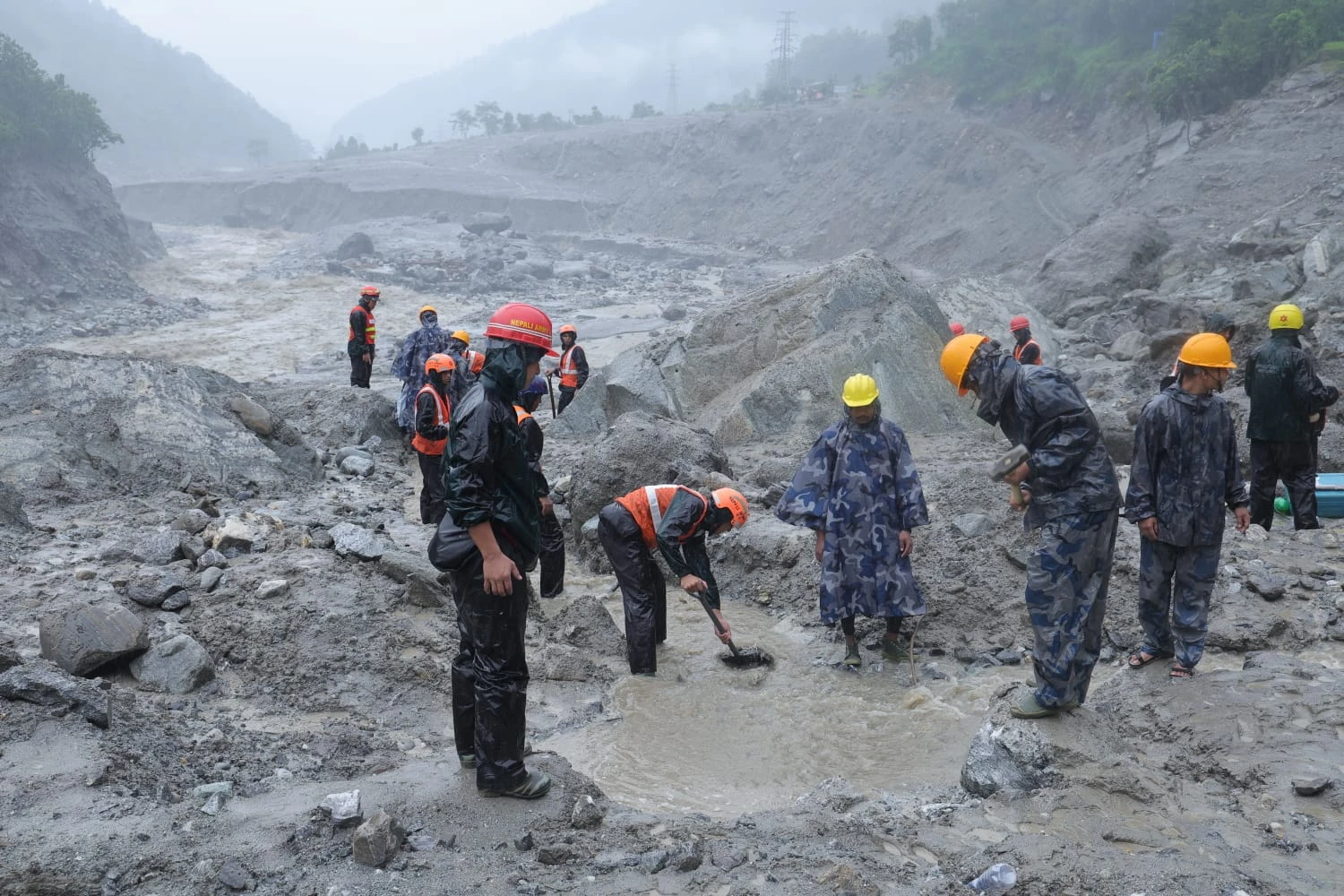
A glacier-driven flood damaged hydropower projects and trapped workers underground, turning climate risk into an infrastructure-resilience test.

Commercial timber extraction did more than remove trees: it recast forest rights, institutions and the relationship between mountain communities and the state.

Beyond the completed freight corridor, the package combines rail capacity, tribal connectivity, highways, housing, water and a 110 MW floating-solar project.

Global Fintech Fest 2026 puts emerging technologies at the centre of the next phase of digital finance, with inclusion and trust as the policy test.
The scheme is designed to turn domestic coal into products such as syngas, urea and synthetic gas while reducing selected import dependencies.

The initiative brings domestic unmanned and counter-UAS technologies closer to real military requirements rather than laboratory demonstrations alone.

New Delhi is expected to raise restrictions affecting high-technology imports and Indian investment as interdependence collides with strategic distrust.

Chairman V Narayanan’s clarification separates ISRO’s public research role from the policy of expanding private participation in commercial space activity.

The centenary is a window into Assam’s cultural history, the Brahmaputra imagination and the role of art in connecting the Northeast with the rest of India.

Commercial timber extraction did more than remove trees: it recast forest rights, institutions and the relationship between mountain communities and the state.

The centenary is a window into Assam’s cultural history, the Brahmaputra imagination and the role of art in connecting the Northeast with the rest of India.

The sacred journey crosses extreme high-altitude terrain in Tibet, while access for Indian pilgrims has repeatedly depended on bilateral relations.
The 72nd National Film Awards will be presented at Ekta Nagar as the government begins taking the ceremony to different parts of the country.

Three final Western DFC sections connect the freight network directly to JNPT, completing a two-decade infrastructure project with major implications for logistics and trade.

India’s latest sowing data show broad crop coverage holding up, even as rice acreage remains below last year’s level.

East-coast port capacity and alternative energy routes are becoming strategic assets as the Strait’s vulnerability becomes an economic problem for Asia.

A glacier-driven flood damaged hydropower projects and trapped workers underground, turning climate risk into an infrastructure-resilience test.

The sacred journey crosses extreme high-altitude terrain in Tibet, while access for Indian pilgrims has repeatedly depended on bilateral relations.

India’s latest sowing data show broad crop coverage holding up, even as rice acreage remains below last year’s level.
The FY 2026–27 agreement is a reminder that food security depends not only on procurement, but also on storage, movement, data and institutional performance.

Enforcement against misleading labels, hygiene failures and unsafe products is exposing the gap between food-market growth and regulatory capacity.

The DAE-Tata Memorial model is being extended closer to district-level patients, where travel and continuity of care often become major barriers.

Enforcement against misleading labels, hygiene failures and unsafe products is exposing the gap between food-market growth and regulatory capacity.

The real question is whether India has a coordinated pre-hospital emergency-care network with the right vehicles, staff and response times.

The initiative brings domestic unmanned and counter-UAS technologies closer to real military requirements rather than laboratory demonstrations alone.
Attacks across Saudi cities injured dozens and disrupted energy facilities, adding another layer of risk to already elevated crude prices.

The court’s response to a preventive-detention case goes beyond release: it targets personal accountability for the use of extraordinary state power.

The Delhi hostel collapse has moved from a local building-safety failure to a possible national regulatory question.

The real question is whether India has a coordinated pre-hospital emergency-care network with the right vehicles, staff and response times.

A glacier-driven flood damaged hydropower projects and trapped workers underground, turning climate risk into an infrastructure-resilience test.

Lok Sabha Speaker Om Birla says the 33% quota can reshape political leadership; the delimitation-linked implementation path remains the key issue.

The court’s response to a preventive-detention case goes beyond release: it targets personal accountability for the use of extraordinary state power.

Three final Western DFC sections connect the freight network directly to JNPT, completing a two-decade infrastructure project with major implications for logistics and trade.
The scheme is designed to turn domestic coal into products such as syngas, urea and synthetic gas while reducing selected import dependencies.
The FY 2026–27 agreement is a reminder that food security depends not only on procurement, but also on storage, movement, data and institutional performance.

The latest approvals take cumulative sanctioned investment to ₹2,171 crore across nine ITI clusters, with industry participation built into the model.

Beyond the completed freight corridor, the package combines rail capacity, tribal connectivity, highways, housing, water and a 110 MW floating-solar project.