Colonial forest policy changed the Himalayas. The ecological legacy remains
Commercial timber extraction did more than remove trees: it recast forest rights, institutions and the relationship between mountain communities and the state.
THE INDIQA Research Desk8 Sept 20261 minHistory
60-Second Summary
Commercial timber extraction did more than remove trees: it recast forest rights, institutions and the relationship between mountain communities and the state.
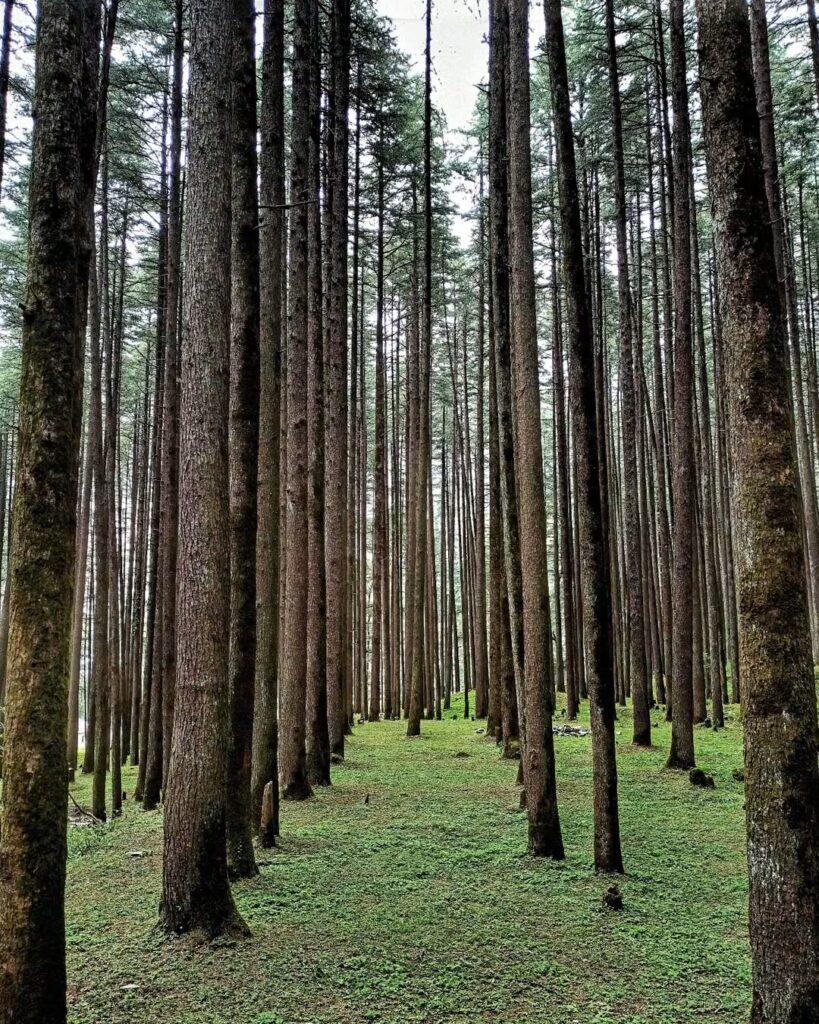
In the nineteenth century, British demand for timber expanded commercial extraction across parts of the Himalayas. The story of Frederick Wilson in the Bhagirathi Valley of Tehri-Garhwal illustrates this shift: deodar and chir forests that had long supported local economies were increasingly treated as commercial resources for large-scale extraction.
Colonial forest administration also restricted customary access and strengthened state control over forests. The long-term significance is institutional as much as ecological: present debates over conservation, community rights and forest governance operate on landscapes and legal traditions shaped by that earlier transformation.
UPSC relevance: GS I — modern Indian history; GS III — environment and forest governance. A strong answer connects colonial resource extraction with the evolution of forest law, community rights and conservation policy.
Prelims Lens
Prelims Lens
In the nineteenth century, British demand for timber expanded commercial extraction across parts of the Himalayas.
The story of Frederick Wilson in the Bhagirathi Valley of Tehri-Garhwal illustrates this shift: deodar and chir forests that had long supported local economies were increasingly treated as commercial resources for large-scale extraction.
Colonial forest administration also restricted customary access and strengthened state control over forests.
The long-term significance is institutional as much as ecological: present debates over conservation, community rights and forest governance operate on landscapes and legal traditions shaped by that earlier transformation.
Mains Lens
Mains Lens
Central issue: Commercial timber extraction did more than remove trees: it recast forest rights, institutions and the relationship between mountain communities and the state.
Dimensions: History · Environment & Ecology · Polity & Governance
Possible UPSC-style questionDiscuss the key History issues raised by “Colonial forest policy changed the Himalayas. The ecological legacy remains”.