Kailash Mansarovar is a pilgrimage shaped by geography — and India-China ties
The sacred journey crosses extreme high-altitude terrain in Tibet, while access for Indian pilgrims has repeatedly depended on bilateral relations.
THE INDIQA Research Desk8 Sept 20261 minArt & Culture
60-Second Summary
The sacred journey crosses extreme high-altitude terrain in Tibet, while access for Indian pilgrims has repeatedly depended on bilateral relations.
UPSC Relevance
PrelimsHigh
MainsGS-I · GS-II · High
SubjectArt & Culture, Geography, International Relations & Geopolitics
TopicKailash Mansarovar, Tibetan Plateau and India-China ties
Importance★★★★☆
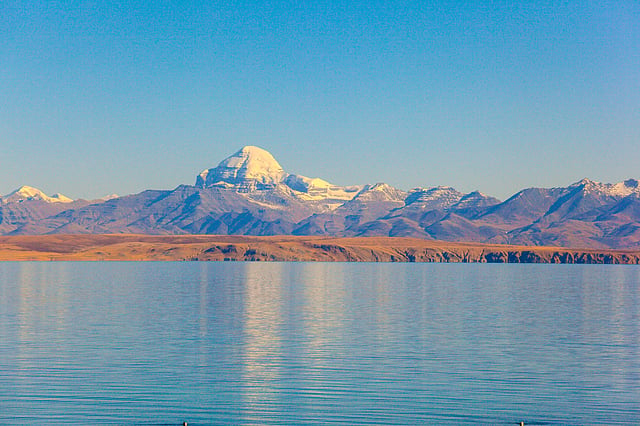
Image: Outlook Traveller / representational
The Kailash Mansarovar Yatra links religion, physical geography and diplomacy. Mount Kailash and Lake Mansarovar lie on the Tibetan Plateau in Chinese-administered territory and are revered by Hindus, Buddhists, Jains and followers of the Bön tradition. Indian pilgrims therefore depend on agreed routes and bilateral arrangements with China.
The pilgrimage has been interrupted or reshaped during periods of political tension, while difficult high-altitude terrain and Himalayan weather add a separate layer of vulnerability. Recent flooding in Nepal again underlined how access routes can be affected by hazards that have nothing to do with diplomacy.
UPSC relevance: GS I — Indian culture and Himalayan geography; GS II — India-China relations. It is a useful example of how cultural links, borders, infrastructure and foreign policy intersect.
Prelims Lens
Prelims Lens
The Kailash Mansarovar Yatra links religion, physical geography and diplomacy.
Mount Kailash and Lake Mansarovar lie on the Tibetan Plateau in Chinese-administered territory and are revered by Hindus, Buddhists, Jains and followers of the Bön tradition.
Indian pilgrims therefore depend on agreed routes and bilateral arrangements with China.
The pilgrimage has been interrupted or reshaped during periods of political tension, while difficult high-altitude terrain and Himalayan weather add a separate layer of vulnerability.
Mains Lens
Mains Lens
Central issue: The sacred journey crosses extreme high-altitude terrain in Tibet, while access for Indian pilgrims has repeatedly depended on bilateral relations.
Dimensions: Art & Culture · Geography · International Relations & Geopolitics
Possible UPSC-style questionDiscuss the key Art & Culture issues raised by “Kailash Mansarovar is a pilgrimage shaped by geography — and India-China ties”.