Maharashtra’s SIR data shows large gaps in some constituencies. The numbers need careful reading
An analysis found higher ‘uncollectable’ rates in many Muslim-heavy seats, but the dataset itself does not identify voters by religion.
THE INDIQA Research Desk9 सित॰ 20262 मिनटराजव्यवस्था और शासन
60-सेकंड सार
An analysis found higher ‘uncollectable’ rates in many Muslim-heavy seats, but the dataset itself does not identify voters by religion.
UPSC प्रासंगिकता
PrelimsHigh
MainsGS-II · High
विषयराजव्यवस्था और शासन, नीतिशास्त्र और समाज
टॉपिकElection administration and electoral rolls
महत्व★★★★★
इस archive story का full Hindi translation अभी उपलब्ध नहीं है; इसलिए मूल English text दिखाया जा रहा है.
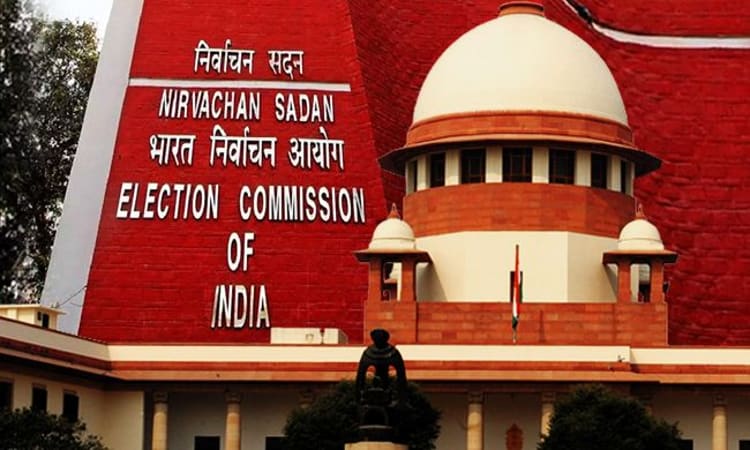
Image: LiveLaw - Election Commission of India file photo
An Indian Express analysis of Maharashtra’s draft Special Intensive Revision data found that 29.77% of voters across 38 constituencies with a Muslim population above 20% were marked ‘uncollectable’, compared with 21.14% statewide. The report also noted large variation between constituencies.
The crucial context is that SIR data does not classify individual voters by religion, so constituency-level demographic patterns cannot by themselves establish religion-based exclusion. For UPSC, the story is useful for understanding electoral-roll revision, claims and objections, administrative data and the constitutional importance of accurate voter registration.
Prelims Lens
Prelims Lens
Draft electoral rolls are followed by a claims-and-objections process before finalisation.
Mains Lens
Mains Lens
मुख्य मुद्दा: An analysis found higher ‘uncollectable’ rates in many Muslim-heavy seats, but the dataset itself does not identify voters by religion.
मुख्य आयाम: राजव्यवस्था और शासन · नीतिशास्त्र और समाज
Accuracy, inclusion and trust in electoral-roll revision
Use and misuse of aggregate demographic data
भारत के लिए क्या मायने: Electoral-roll quality directly affects access to the franchise and public confidence in elections.
संभावित UPSC प्रश्नWhat safeguards are necessary to ensure that electoral-roll revision is both accurate and inclusive?