A Delhi High Court PIL is targeting infinite scroll and autoplay, not just harmful content
The petition argues that engagement-maximising design itself should be examined as a regulatory issue, especially for young users.
THE INDIQA Research Desk9 सित॰ 20262 मिनटविज्ञान और प्रौद्योगिकी
60-सेकंड सार
The petition argues that engagement-maximising design itself should be examined as a regulatory issue, especially for young users.
UPSC प्रासंगिकता
PrelimsMedium
MainsGS-II · GS-III · GS-IV · High
विषयविज्ञान और प्रौद्योगिकी, राजव्यवस्था और शासन, स्वास्थ्य और सामाजिक मुद्दे, नीतिशास्त्र और समाज
टॉपिकDigital regulation, platform accountability and youth safety
महत्व★★★★★
इस archive story का full Hindi translation अभी उपलब्ध नहीं है; इसलिए मूल English text दिखाया जा रहा है.
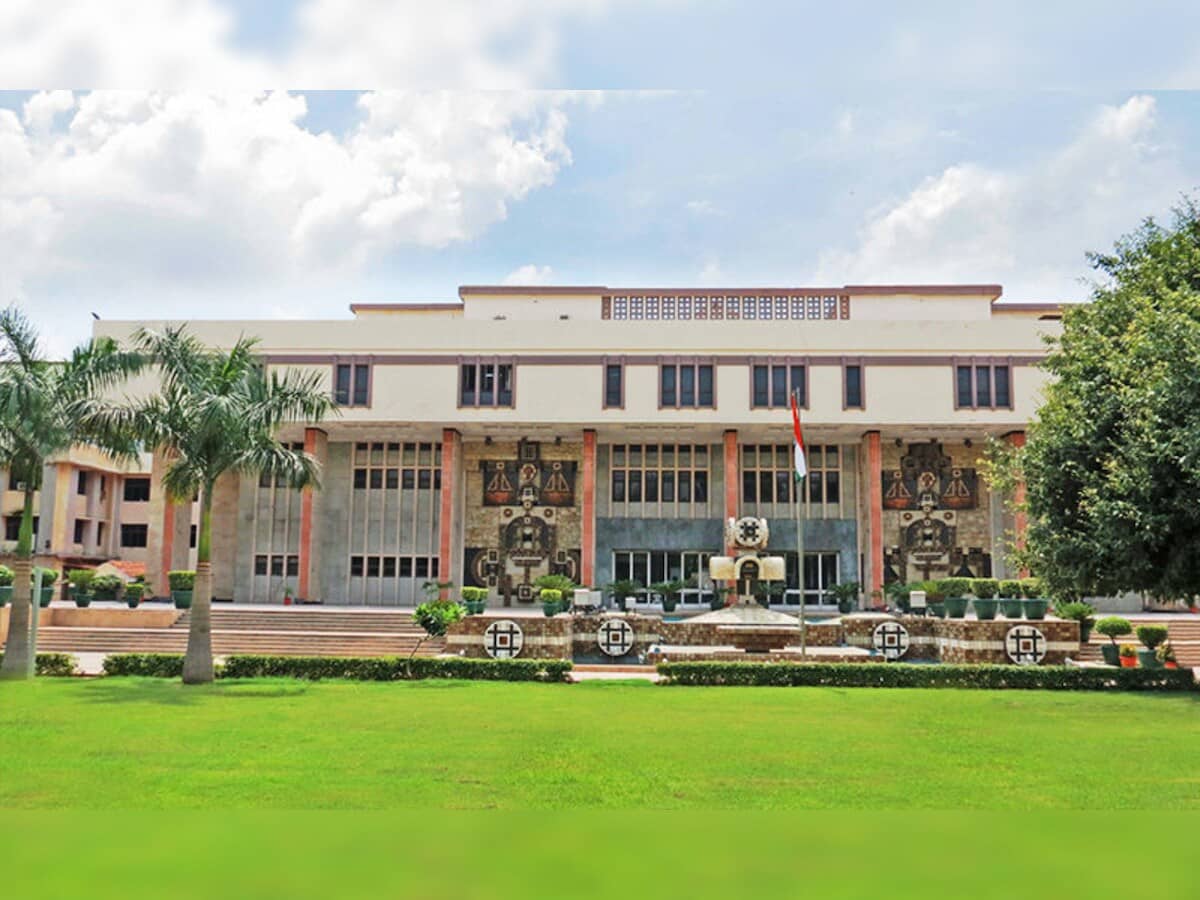
Image: Business Standard - Delhi High Court file photo
A PIL filed in the Delhi High Court has challenged design features such as infinite scroll, autoplay, personalised feeds and persistent notifications on major social-media platforms. The petitioner argues that India’s current legal framework focuses mainly on content, while the architecture used to maximise engagement also deserves scrutiny.
The case could become significant if the court pushes regulators or expert bodies to distinguish between content moderation and product-design regulation. For UPSC, connect it to platform accountability, child and youth safety, mental-health concerns, intermediary regulation and the broader debate over how law should respond to algorithmic systems.
Prelims Lens
Prelims Lens
A PIL filed in the Delhi High Court has challenged design features such as infinite scroll, autoplay, personalised feeds and persistent notifications on major social-media platforms.
The petitioner argues that India’s current legal framework focuses mainly on content, while the architecture used to maximise engagement also deserves scrutiny.
The case could become significant if the court pushes regulators or expert bodies to distinguish between content moderation and product-design regulation.
For UPSC, connect it to platform accountability, child and youth safety, mental-health concerns, intermediary regulation and the broader debate over how law should respond to algorithmic systems.
Mains Lens
Mains Lens
मुख्य मुद्दा: The petition argues that engagement-maximising design itself should be examined as a regulatory issue, especially for young users.
मुख्य आयाम: विज्ञान और प्रौद्योगिकी · राजव्यवस्था और शासन · स्वास्थ्य और सामाजिक मुद्दे · नीतिशास्त्र और समाज
Regulating design architecture separately from content
Balancing innovation, free expression and child safety
भारत के लिए क्या मायने: India has one of the world’s largest populations of young social-media users, making design regulation a major public-policy issue.
संभावित UPSC प्रश्नShould digital regulation address engagement-maximising design in addition to unlawful content? Discuss.