DILRMP 3.0 आज शाम launch होगा, GIS-enabled 'Land Stack' होगा केंद्र में
₹565.5-crore phase 2026 से 2031 के बीच maps, records और digital land administration को integrate करने के लिए बनाया गया है.
THE INDIQA Desk10 सित॰ 20261 मिनटराजव्यवस्था और शासन
60-सेकंड सार
₹565.5-crore phase 2026 से 2031 के बीच maps, records और digital land administration को integrate करने के लिए बनाया गया है.
UPSC प्रासंगिकता
PrelimsHigh
MainsGS-II · GS-III · High
विषयराजव्यवस्था और शासन, सरकारी योजनाएं और रिपोर्ट, अर्थव्यवस्था
टॉपिकPolity & Governance
महत्व★★★★☆
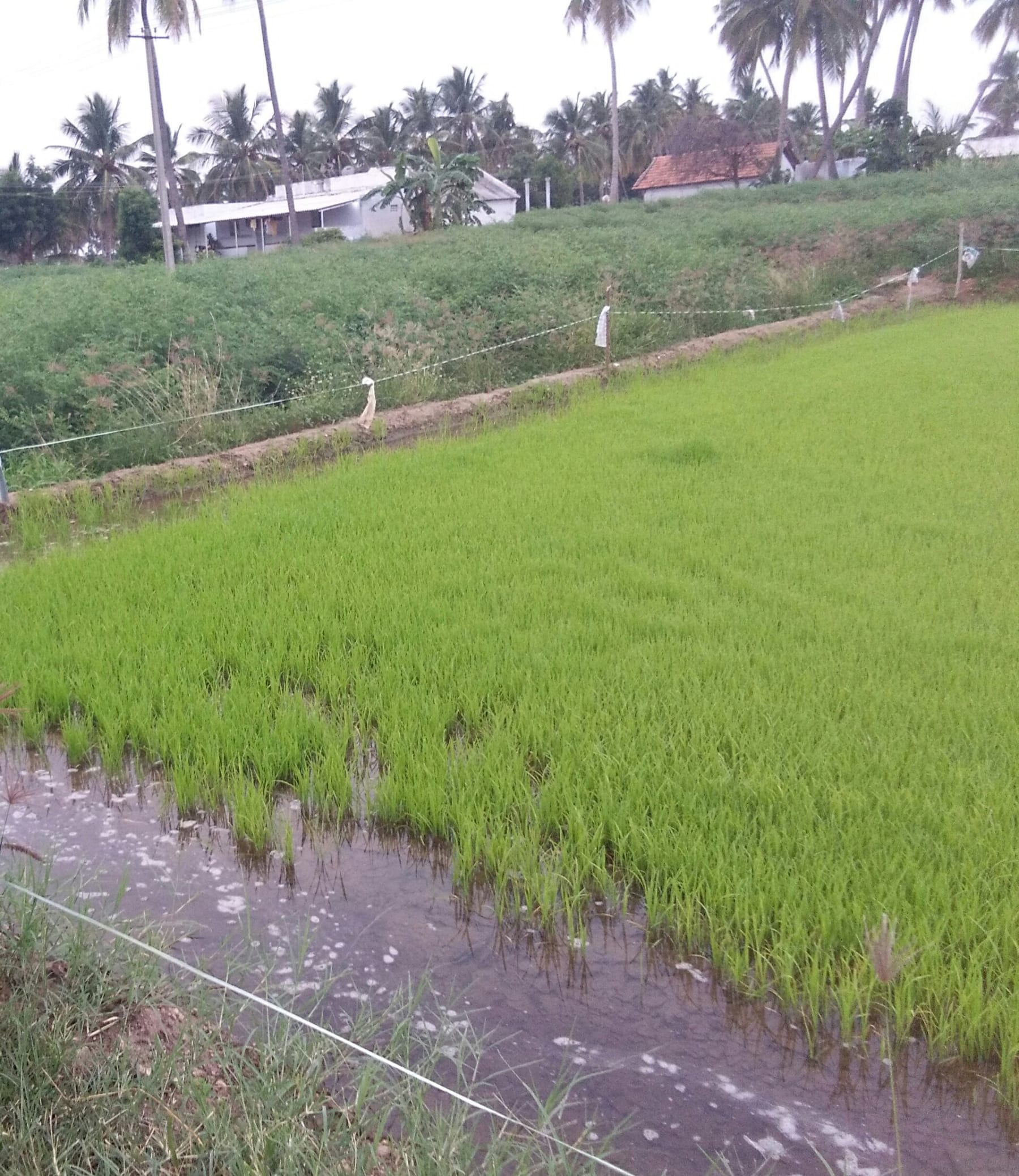
Image: Parvathisri / Wikimedia Commons - CC0
Centre 10 September की शाम Digital India Land Records Modernization Programme के third phase को launch करने वाला है. नई phase का outlay ₹565.50 crore है और 2026-31 के लिए GIS-enabled Land Stack को digitisation के अगले दौर के केंद्र में रखा गया है.
Land administration केवल IT problem नहीं है. अगर ownership, boundaries या mutation records गलत हैं, तो digital record पुराने disputes को reproduce कर सकता है. Integrated land stack की value data quality, survey accuracy, interoperability और accessible grievance redress पर निर्भर करेगी.
यह programme governance और economy दोनों के लिए relevant है. Clearer records transaction friction कम कर सकते हैं, credit और infrastructure planning में मदद कर सकते हैं और service delivery improve कर सकते हैं. लेकिन digitisation को बेहतर administration का tool समझना चाहिए, हर land-title dispute का automatic solution नहीं.
Prelims Lens
Prelims Lens
DILRMP land-record modernisation के लिए centrally supported programme है.
GIS data को geographic locations और boundaries से जोड़ता है.
Mains Lens
Mains Lens
मुख्य मुद्दा: ₹565.5-crore phase 2026 से 2031 के बीच maps, records और digital land administration को integrate करने के लिए बनाया गया है.
मुख्य आयाम: राजव्यवस्था और शासन · सरकारी योजनाएं और रिपोर्ट · अर्थव्यवस्था
Land governance में digitisation बनाम legal certainty
Land records और ease of doing business
संभावित UPSC प्रश्नProperty governance सुधारने के लिए land-record digitisation के साथ institutional और legal reforms क्यों जरूरी हैं?