Supreme Court tells Odisha to decide Dara Singh’s remission plea instead of delaying it
The case brings executive remission, sentence-review boards and judicial oversight back into focus.
THE INDIQA Research Desk9 Sept 20262 minPolity & Governance
60-Second Summary
The case brings executive remission, sentence-review boards and judicial oversight back into focus.
UPSC Relevance
PrelimsHigh
MainsGS-II · High
SubjectPolity & Governance
TopicRemission, executive powers and judicial review
Importance★★★★☆
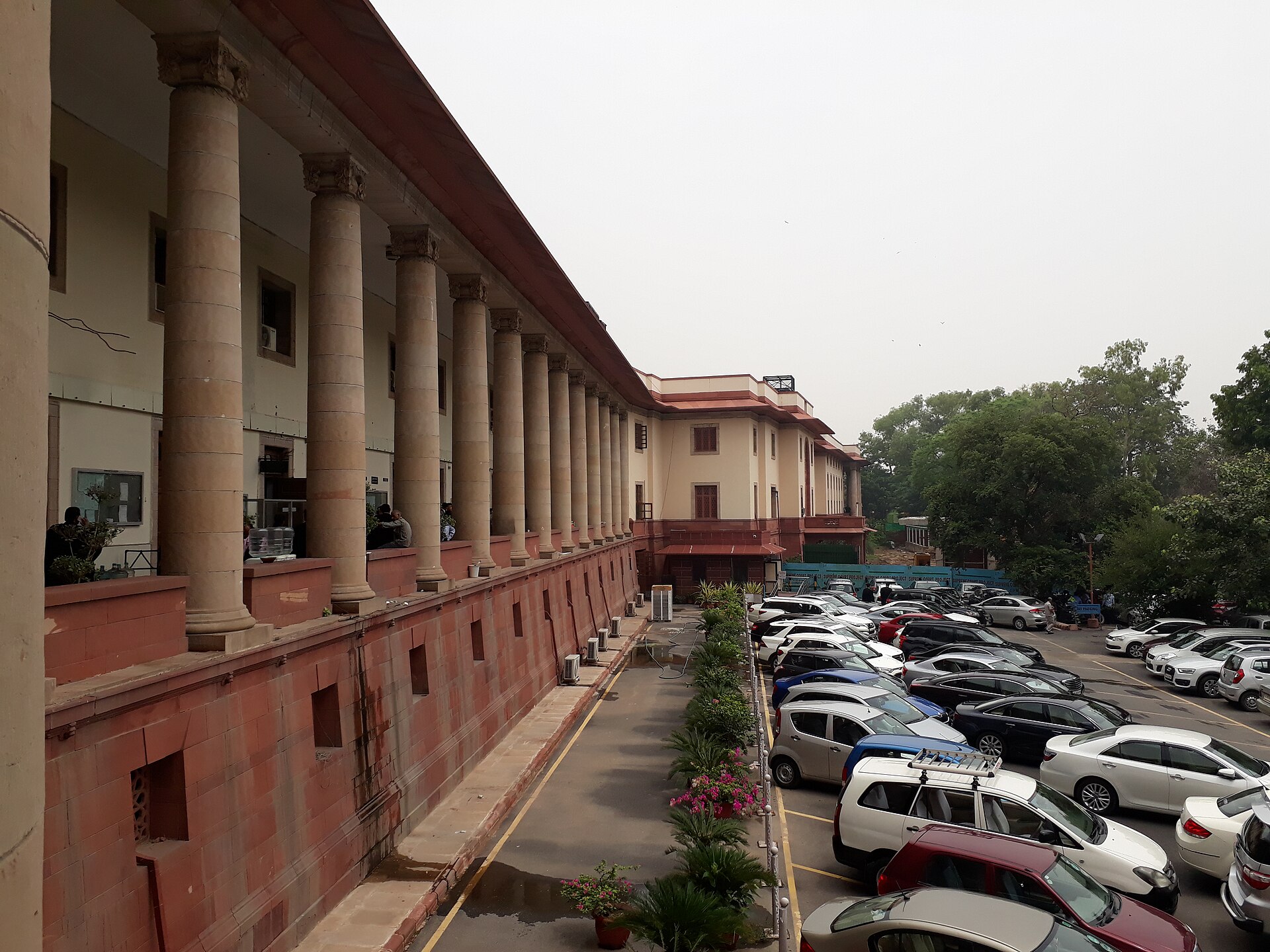
Image: Pinakpani / Wikimedia Commons - CC BY-SA 4.0
The Supreme Court has criticised the Odisha government for delaying a decision on the remission plea of Ravindra Pal alias Dara Singh, who is serving a life sentence for the 1999 murder of Graham Staines and his two sons. The court said the matter could not remain pending indefinitely and asked the state to take a decision.
The constitutional and administrative issue is broader than the individual case. Remission does not erase a conviction; it concerns the reduction or alteration of a sentence under legal and executive frameworks. Courts can review whether executive authorities follow law, policy and procedural fairness.
Prelims Lens
Prelims Lens
Remission reduces the period of a sentence without setting aside the conviction itself.
Mains Lens
Mains Lens
Central issue: The case brings executive remission, sentence-review boards and judicial oversight back into focus.
Dimensions: Polity & Governance
Judicial review of executive inaction in remission decisions
India angle: The case tests administrative accountability in the exercise of sentence-remission powers.
Possible UPSC-style questionDifferentiate remission from pardon and explain the scope of judicial review over remission decisions.