Sponge iron prices have hit a two-year high as coal costs squeeze Indian producers
Higher imported-coal costs and domestic supply constraints are feeding into steel-making inputs.
THE INDIQA Research Desk9 Sept 20262 minEconomy
60-Second Summary
Higher imported-coal costs and domestic supply constraints are feeding into steel-making inputs.
UPSC Relevance
PrelimsMedium
MainsGS-III · High
SubjectEconomy, Geography
TopicIndustrial inputs, coal and steel sector
Importance★★★☆☆
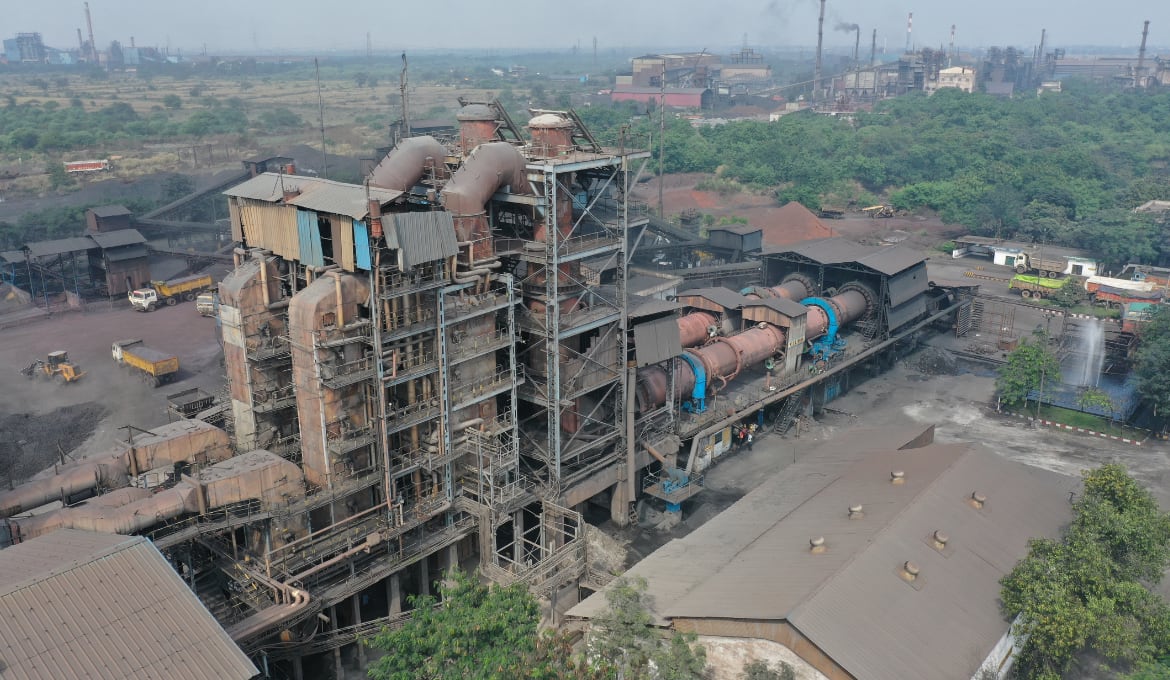
Image: G.R. Sponge and Power Ltd - representative plant image
India’s benchmark sponge-iron prices reached a two-year high in August as imported coal became more expensive and domestic supply tightened, Reuters reported. Sponge iron is an important feedstock for secondary steel producers and is especially sensitive to coal costs.
The development connects energy, logistics and industrial competitiveness. Higher coal prices can raise input costs for downstream steel, construction and manufacturing. It also highlights India’s continuing dependence on imported coal grades even while domestic coal production is large.
Prelims Lens
Prelims Lens
Sponge iron is a form of direct-reduced iron used as an input in steelmaking.
Mains Lens
Mains Lens
Central issue: Higher imported-coal costs and domestic supply constraints are feeding into steel-making inputs.
Dimensions: Economy · Geography
Import dependence in industrial raw materials
India angle: Steel is a core infrastructure input, so higher sponge-iron costs can spill into the wider economy.
Possible UPSC-style questionHow can raw-material shocks affect the competitiveness of downstream manufacturing?