Brent is nearing $100 again. For India, the risk runs from inflation to the rupee
Escalating Middle East conflict has pushed crude sharply higher, reviving concerns over India’s import bill, inflation and external balance.
THE INDIQA Research Desk9 Sept 20262 minEconomy
60-Second Summary
Escalating Middle East conflict has pushed crude sharply higher, reviving concerns over India’s import bill, inflation and external balance.
UPSC Relevance
PrelimsHigh
MainsGS-II · GS-III · High
SubjectEconomy, International Relations & Geopolitics
TopicEnergy security, inflation and West Asia
Importance★★★★★
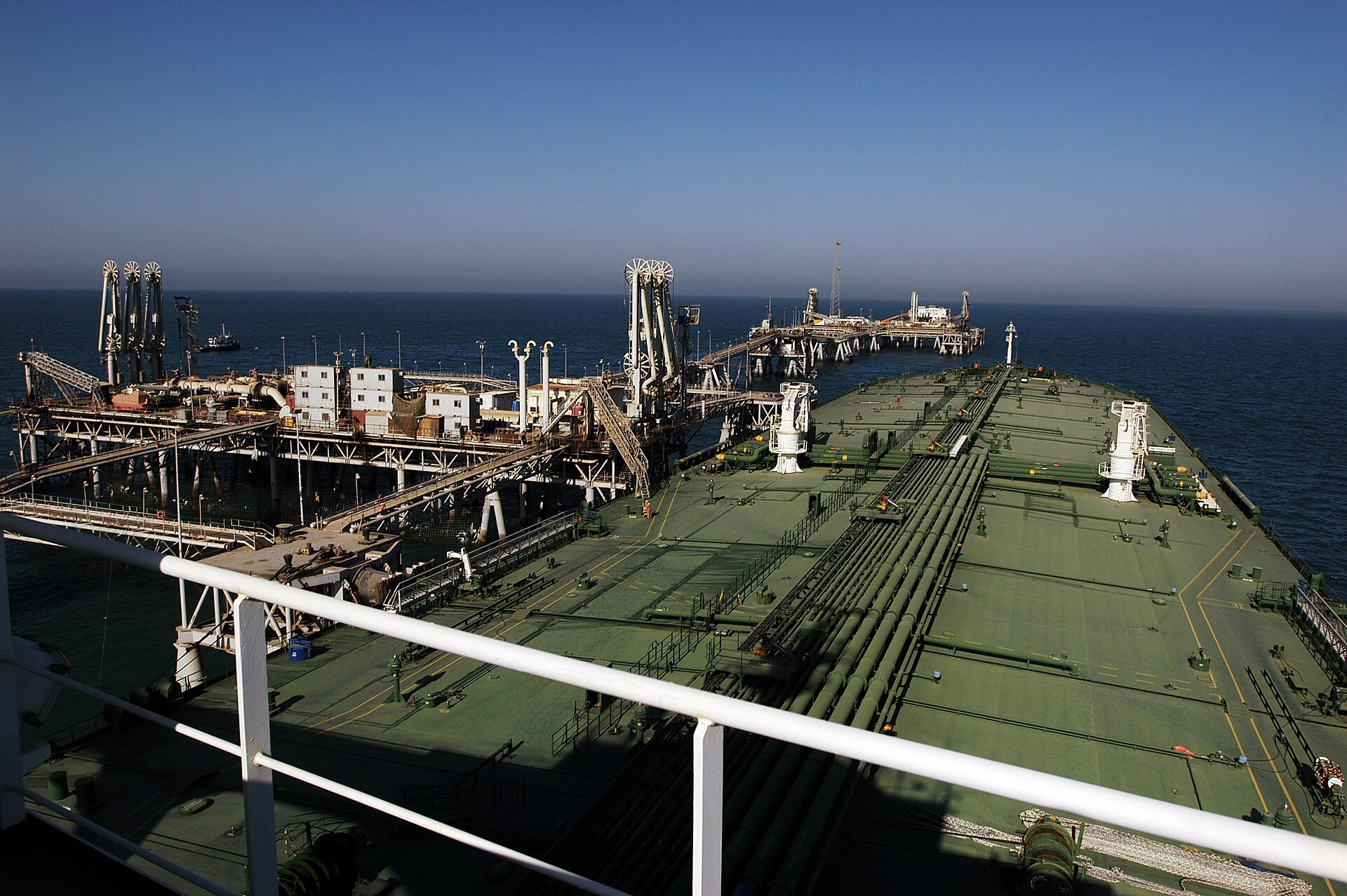
Image: U.S. Navy / Wikimedia Commons - public-domain file photo
Brent crude moved close to $100 a barrel on September 9 as fresh attacks in the Middle East raised fears of supply disruption. The move matters disproportionately for India because the country imports most of the crude oil it consumes.
A sustained oil shock can widen the current-account deficit, raise transport and input costs, increase pressure on the rupee and complicate monetary policy. The key variable is not only the headline oil price but whether shipping through the Gulf remains disrupted for long enough to lift freight, insurance and energy costs across the economy.
Prelims Lens
Prelims Lens
India is a major net importer of crude oil.
The Strait of Hormuz is a critical energy chokepoint.
Mains Lens
Mains Lens
Central issue: Escalating Middle East conflict has pushed crude sharply higher, reviving concerns over India’s import bill, inflation and external balance.
Dimensions: Economy · International Relations & Geopolitics
Impact of oil shocks on inflation and the current account
India’s energy-security diversification
India angle: Higher crude prices can raise India’s import bill, weaken the rupee and increase inflationary pressure.
Possible UPSC-style questionHow do oil-price shocks transmit into inflation, the exchange rate and growth in an oil-importing economy such as India?