Shipping through Hormuz has fallen below recent averages as Gulf risks rise
Reduced vessel traffic through the chokepoint is an early warning signal for energy and commodity supply chains.
THE INDIQA Research Desk9 सित॰ 20262 मिनटभूगोल
60-सेकंड सार
Reduced vessel traffic through the chokepoint is an early warning signal for energy and commodity supply chains.
UPSC प्रासंगिकता
PrelimsHigh
MainsGS-II · GS-III · High
विषयभूगोल, अंतरराष्ट्रीय संबंध और भू-राजनीति, अर्थव्यवस्था
टॉपिकMaritime chokepoints and energy security
महत्व★★★★★
इस archive story का full Hindi translation अभी उपलब्ध नहीं है; इसलिए मूल English text दिखाया जा रहा है.
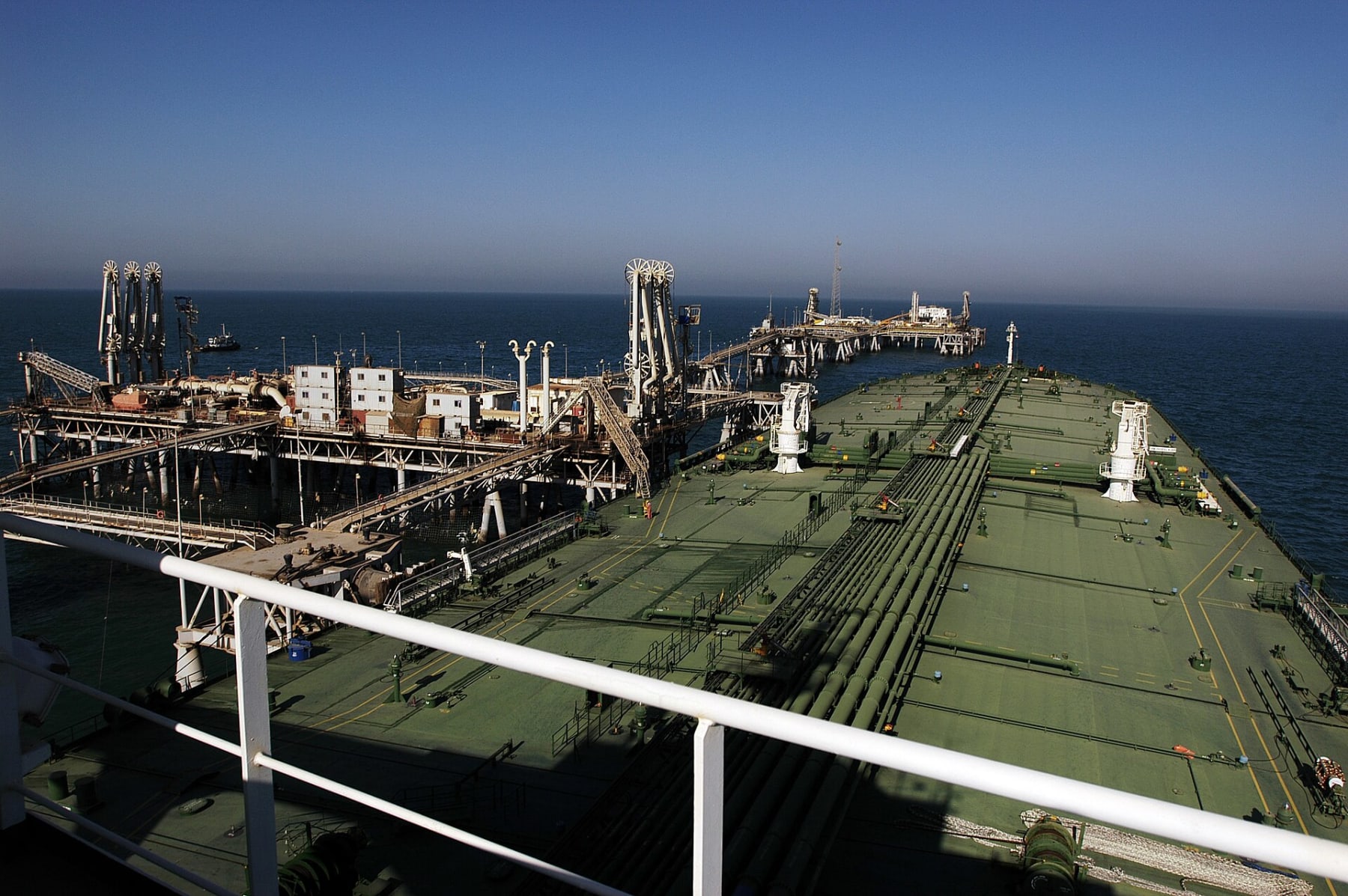
Image: U.S. Navy / Wikimedia Commons - public-domain file photo
Shipping data cited by Reuters showed commodity-vessel traffic through the Strait of Hormuz running below its recent average as military tensions escalated in the Gulf. The strait is one of the world’s most important energy chokepoints.
For India, the risk is broader than crude prices. Lower traffic or higher perceived danger can raise marine insurance, freight costs and delivery uncertainty for oil, LNG and other commodities. The episode is a useful reminder that geography can transmit geopolitical conflict directly into economic costs.
Prelims Lens
Prelims Lens
The Strait of Hormuz connects the Persian Gulf with the Gulf of Oman and Arabian Sea.
Mains Lens
Mains Lens
मुख्य मुद्दा: Reduced vessel traffic through the chokepoint is an early warning signal for energy and commodity supply chains.
मुख्य आयाम: भूगोल · अंतरराष्ट्रीय संबंध और भू-राजनीति · अर्थव्यवस्था
Geopolitical risks to maritime trade and energy security
भारत के लिए क्या मायने: India depends heavily on Gulf energy flows and therefore on the security of sea lanes around Hormuz.
संभावित UPSC प्रश्नExplain why maritime chokepoints have outsized influence on global energy security.