Delhi High Court wants a concrete rabies-elimination plan for 2030
The court has asked the government to explain how it will implement vaccination, sterilisation and animal-birth-control infrastructure.
THE INDIQA Research Desk9 सित॰ 20262 मिनटस्वास्थ्य और सामाजिक मुद्दे
60-सेकंड सार
The court has asked the government to explain how it will implement vaccination, sterilisation and animal-birth-control infrastructure.
UPSC प्रासंगिकता
PrelimsHigh
MainsGS-II · High
विषयस्वास्थ्य और सामाजिक मुद्दे, राजव्यवस्था और शासन
टॉपिकPublic health and urban local governance
महत्व★★★★★
इस archive story का full Hindi translation अभी उपलब्ध नहीं है; इसलिए मूल English text दिखाया जा रहा है.
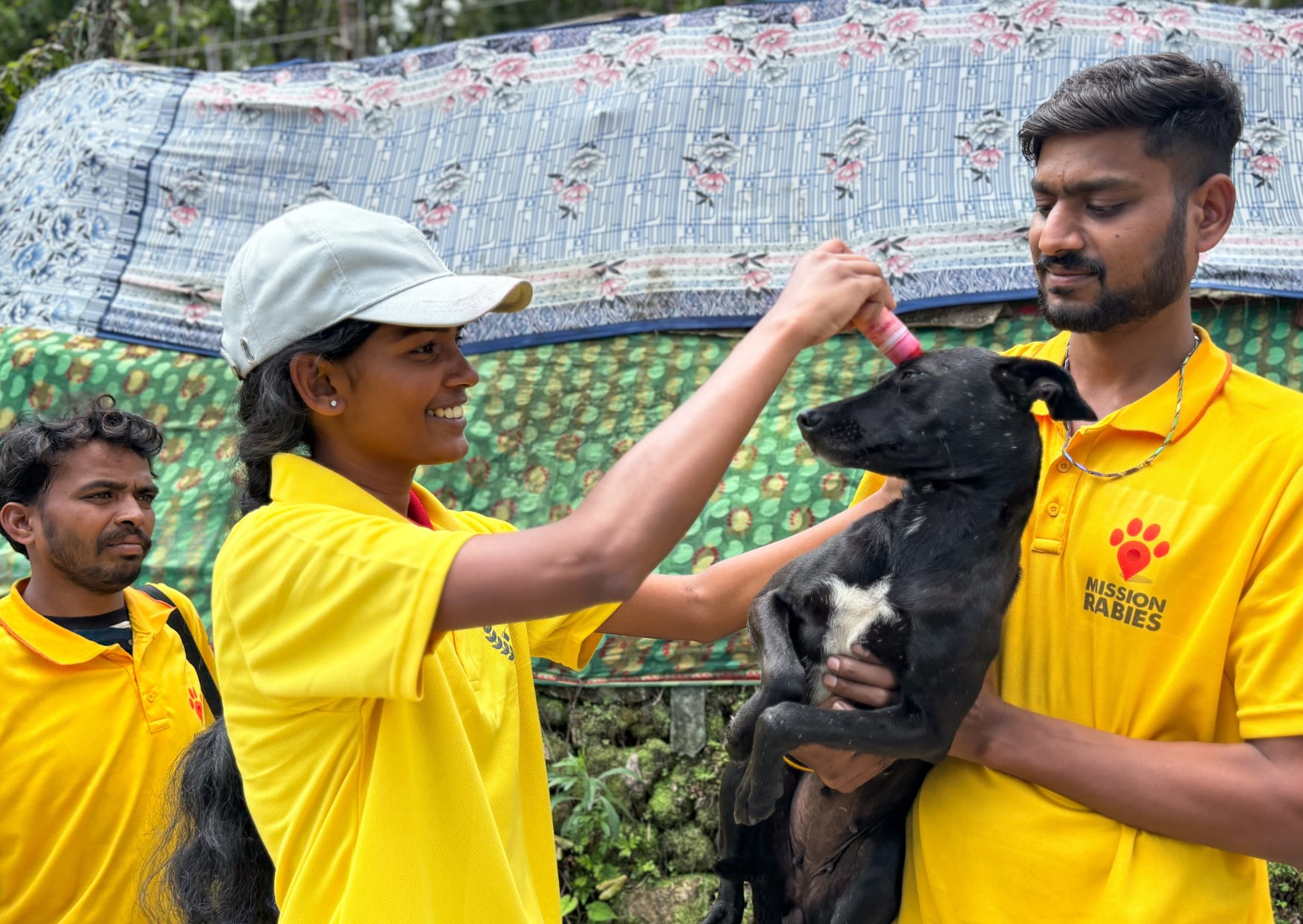
Image: Worldwide Veterinary Service / Mission Rabies
The Delhi High Court has asked the Delhi government to respond on steps for implementing an action plan aimed at eliminating rabies by 2030. The case follows a Supreme Court direction requiring states and Union territories to strengthen stray-dog management and animal-birth-control infrastructure.
Rabies policy sits at the intersection of public health, municipal governance, animal welfare and urban management. A durable strategy depends on vaccination, sterilisation, surveillance, waste management and access to post-exposure prophylaxis rather than a single intervention.
Prelims Lens
Prelims Lens
Rabies is a vaccine-preventable viral disease.
Post-exposure prophylaxis is crucial after a suspected exposure.
Mains Lens
Mains Lens
मुख्य मुद्दा: The court has asked the government to explain how it will implement vaccination, sterilisation and animal-birth-control infrastructure.
मुख्य आयाम: स्वास्थ्य और सामाजिक मुद्दे · राजव्यवस्था और शासन
One Health approach to rabies elimination
Role of urban local bodies in public health
भारत के लिए क्या मायने: The litigation tests whether municipal systems can turn a national public-health goal into district-level implementation.
संभावित UPSC प्रश्नWhy does rabies elimination require a One Health approach rather than only stray-dog control?