The Supreme Court will take up the marital-rape exception for final hearing in three weeks
The case returns the conflict between marital status, consent, bodily autonomy and criminal-law policy to the constitutional centre.
THE INDIQA Desk10 Sept 20261 minPolity & Governance
60-Second Summary
The Court is preparing to hear the constitutional challenge to the marital-rape exception. The present development is a hearing schedule, not a verdict.
UPSC Relevance
PrelimsMedium
MainsGS-II · GS-IV · High
SubjectPolity & Governance, Ethics & Society, Health & Social Issues
TopicPolity & Governance
Importance★★★★☆
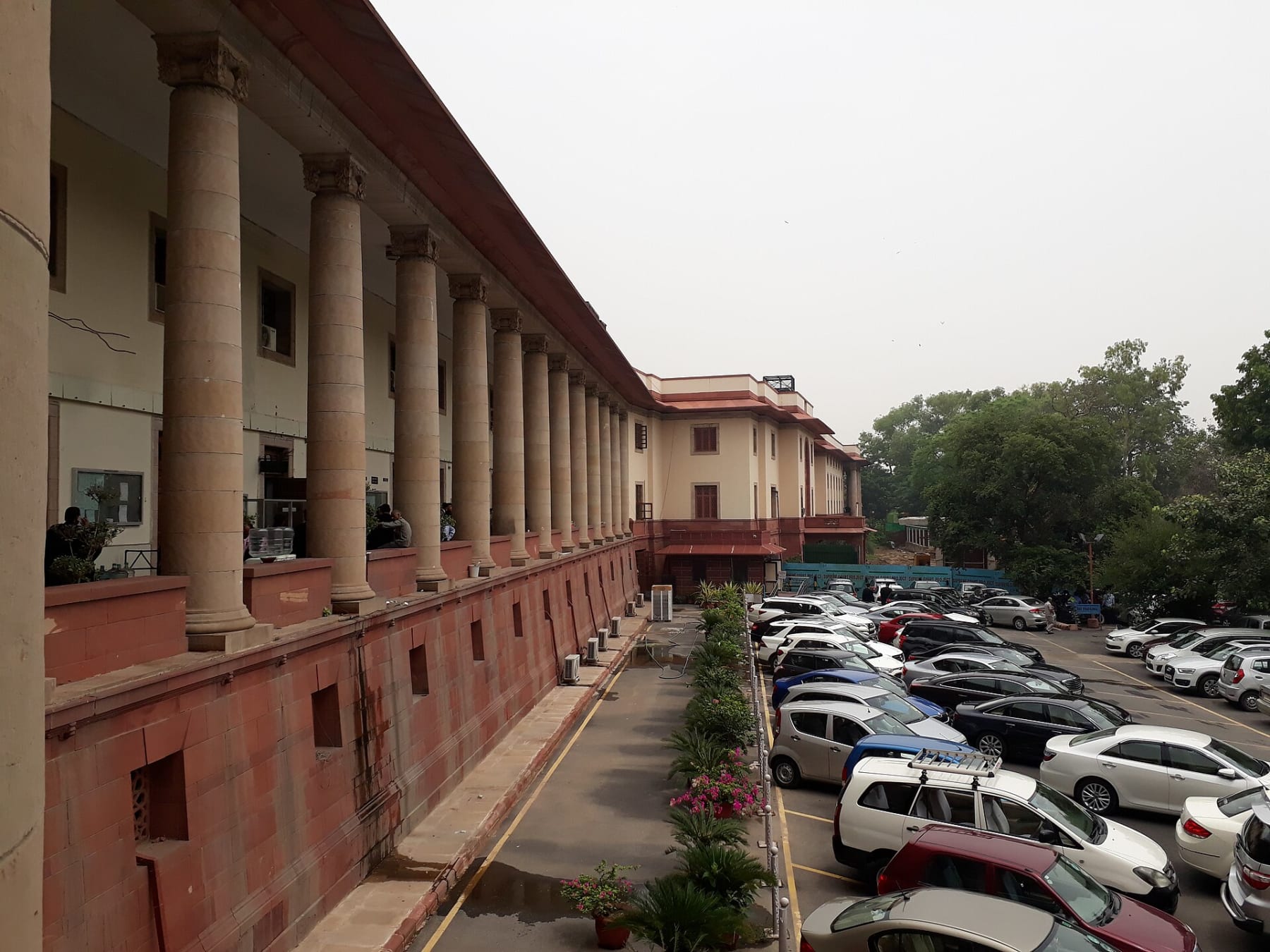
Image: Pinakpani / Wikimedia Commons - CC BY-SA 4.0
The Supreme Court has said it will begin final hearing in three weeks on petitions challenging the marital-rape exception in Indian criminal law. No final ruling has been delivered, so the present development is procedural but constitutionally important.
At the centre of the case is whether marriage can justify a different criminal-law treatment of non-consensual sex between spouses. Petitioners have invoked equality, dignity, bodily autonomy and sexual consent, while arguments defending legislative caution raise questions about criminal-law design, proof and the role of Parliament.
For UPSC, the case sits at the intersection of Fundamental Rights, gender justice, judicial review and criminal-law reform. The safest editorial approach is to separate the legal question before the Court from any assumption about how the Court will ultimately decide it.
Prelims Lens
Prelims Lens
The challenge raises questions under equality and personal-liberty guarantees.
A scheduled final hearing does not indicate the eventual outcome.
Mains Lens
Mains Lens
Central issue: The case returns the conflict between marital status, consent, bodily autonomy and criminal-law policy to the constitutional centre.
Dimensions: Polity & Governance · Ethics & Society · Health & Social Issues
Consent within marriage and constitutional morality
Judicial review versus legislative policy
Possible UPSC-style questionDiscuss the constitutional issues raised by differential criminal-law treatment of sexual violence within marriage.