The Centre will consult farmer leaders today before finalising a tougher law against fake seeds
The meeting is scheduled for 4 PM on September 10, so the consultation should be treated as upcoming until it actually takes place.
THE INDIQA Desk10 Sept 20261 minAgriculture & Rural India
60-Second Summary
The Centre is consulting farmer leaders before finalising tougher seed regulation. Until the meeting occurs, it should be reported as scheduled, not as a completed decision.
UPSC Relevance
PrelimsHigh
MainsGS-II · GS-III · High
SubjectAgriculture & Rural India, Polity & Governance
TopicAgriculture & Rural India
Importance★★★★★
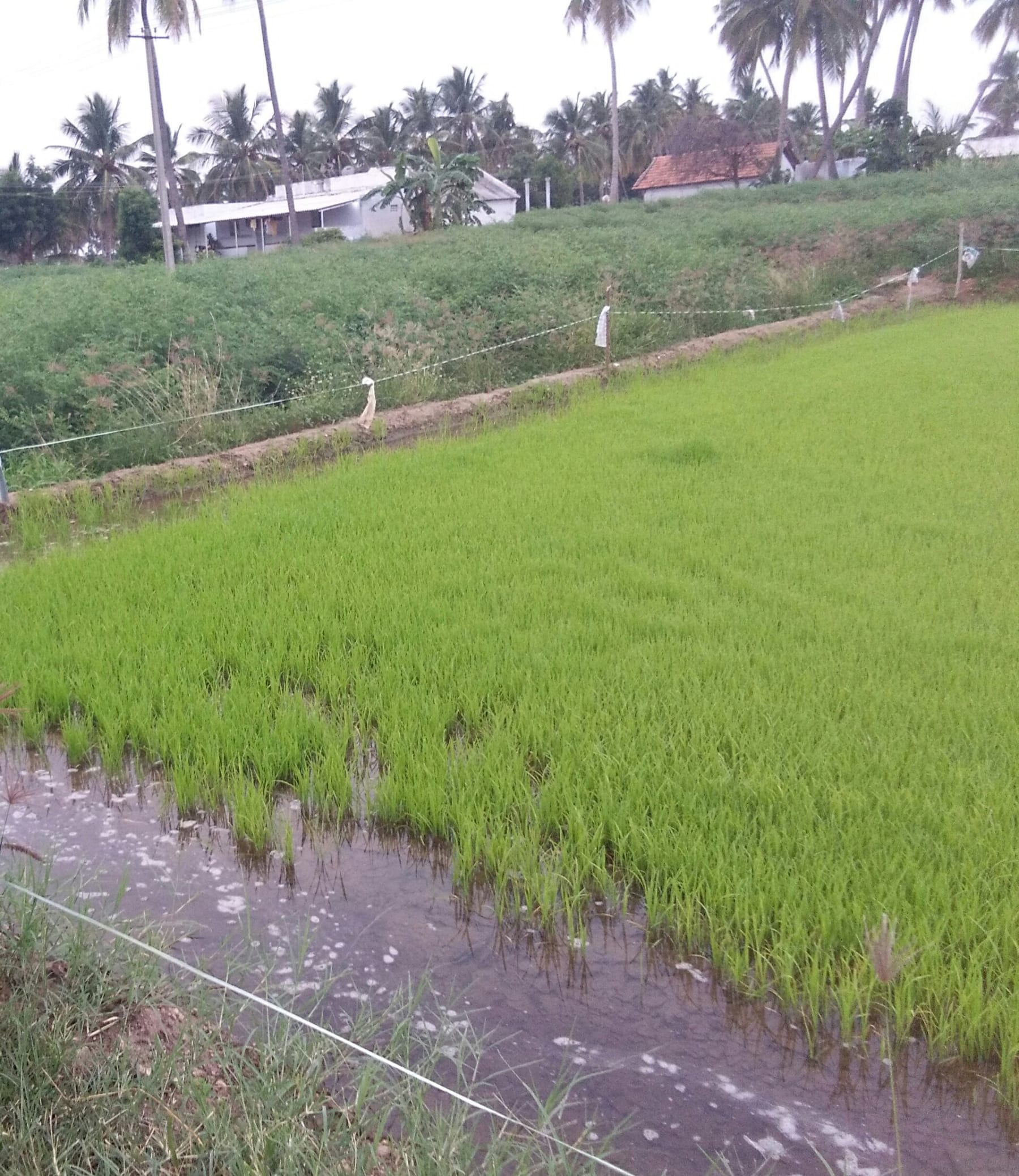
Image: Parvathisri / Wikimedia Commons - CC0
The Union Agriculture Ministry is scheduled to meet farmer leaders on September 10 to discuss proposals for a stronger legal framework against fake and substandard seeds. The consultation is set for 4 PM, which means any account published earlier in the day should describe it as planned rather than completed.
Seed quality is a high-stakes regulatory issue because farmers make irreversible seasonal investments based on germination, varietal purity and disease-resistance claims. Poor-quality or counterfeit seed can damage an entire crop cycle and is difficult to remedy after sowing.
The policy challenge is to create effective quality control and penalties without making legitimate seed access more costly or administratively burdensome for small farmers. The final law will need to balance enforcement, traceability, liability and access.
Prelims Lens
Prelims Lens
Seed quality regulation affects germination, varietal purity and farmer risk.
The September 10 farmer consultation was scheduled for 4 PM.
Mains Lens
Mains Lens
Central issue: The meeting is scheduled for 4 PM on September 10, so the consultation should be treated as upcoming until it actually takes place.
Dimensions: Agriculture & Rural India · Polity & Governance
Regulatory protection for farmers
Traceability and accountability in agricultural inputs
Possible UPSC-style questionWhat regulatory principles should guide a modern seed law in India?