EconomyOil above $100 is becoming a prolonged risk for India, not a short-lived shock
Middle East disruptions are now hitting multiple export routes at once, shrinking the buffers that initially contained the energy shock.
THE INDIQA Research DeskPublished 14 Sept 2026Updated 14 Sept 20261 min read
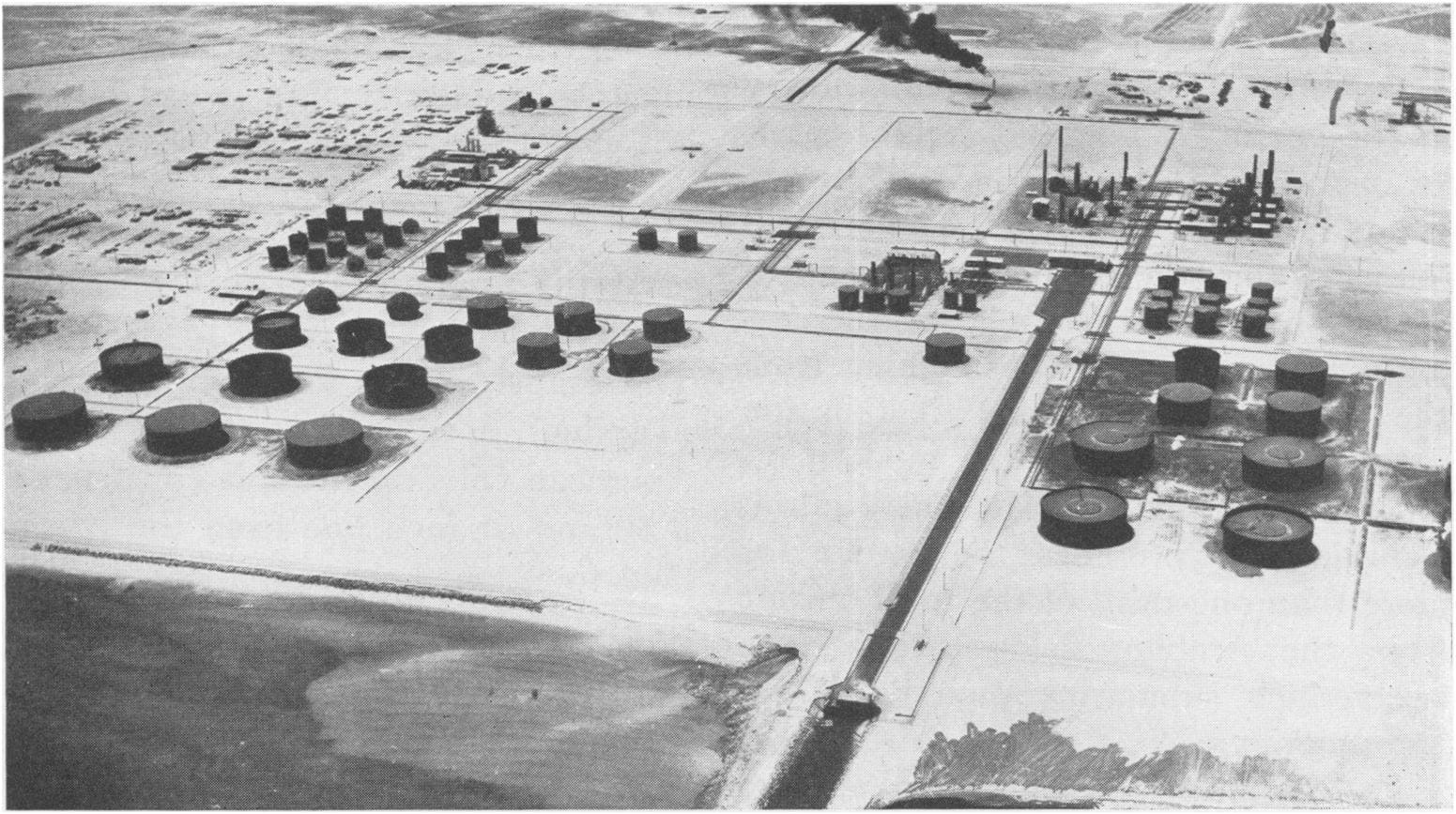
The Middle East energy crisis has moved from a short disruption into a longer test of global supply resilience. Crude remains above $100 a barrel while pressure is building across the Strait of Hormuz, the Bab el-Mandeb route and Saudi Arabia's East-West pipeline.
That matters for India because the country imports most of its crude oil. A prolonged period of expensive energy can raise the import bill, widen the current-account deficit, put pressure on the rupee and feed inflation through transport, manufacturing and fertiliser costs.
The policy question is therefore no longer just how to absorb one price spike. India may need to manage a longer period of volatility through diversified sourcing, strategic reserves, fiscal calibration and faster substitution where feasible.
CIVIL SERVICES VIEWStudy this development
GS-IIGS-IIIEnergy security, oil shocks and external-sector vulnerabilityPrelims: HighMains: HighCore
Why this matters
Oil remains above $100 as disruptions widen across key Middle East export routes.
Key facts
- The Strait of Hormuz connects the Persian Gulf with the Gulf of Oman.
- Bab el-Mandeb links the Red Sea with the Gulf of Aden.
Key terms
- crude oil
- Strait of Hormuz
- Bab el-Mandeb
- current account
- energy security
Background and concepts
Oil remains above $100 as disruptions widen across key Middle East export routes.
Arguments, challenges and policy responses
- Imported inflation
- External-sector vulnerability
- Strategic petroleum reserves and diversification
India’s context
Oil is a direct transmission channel from West Asia into India's inflation, currency and growth outlook.
Keep in mind
A rise in Brent does not affect every crude grade equally because location and transport constraints matter.
Practice question
How can India reduce the macroeconomic impact of prolonged geopolitical disruptions in global oil markets?
Revision summary
- Bab el-Mandeb links the Red Sea with the Gulf of Aden.
- Imported inflation
- Strategic petroleum reserves and diversification
- The Strait of Hormuz connects the Persian Gulf with the Gulf of Oman.
- External-sector vulnerability
DISCUSSION & EDITORIAL REVIEW
Join the discussion
Comment on the story, report a factual or editorial issue, or tell us whether the article was useful.
Comments
Public comments appear after editorial review.