A metal-free photocatalyst could improve solar hydrogen production, but this is still laboratory-stage research
CeNS researchers used an amino acid and an organic light-absorbing molecule to improve charge transport and photocurrent without relying on precious-metal photocatalysts.
THE INDIQA Desk10 Sept 20263 minScience & Technology
60-Second Summary
Self-assembly improved photocurrent by nearly 18% compared with the bulk material, but the result remains a research finding rather than a commercial green-hydrogen technology.
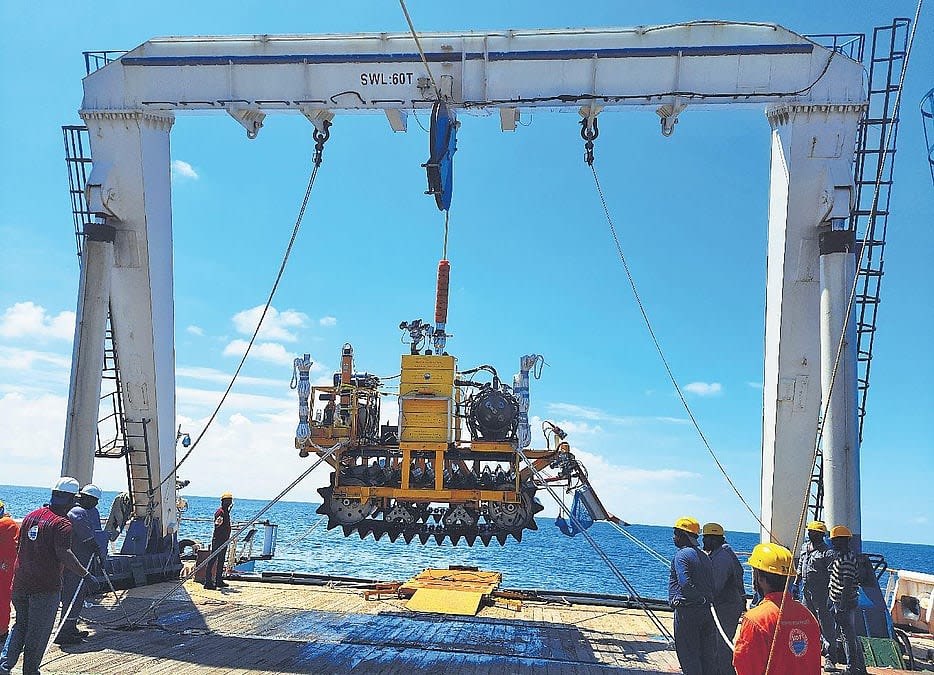
Image: Kavin Teenakul / Wikimedia Commons - CC BY-SA 4.0
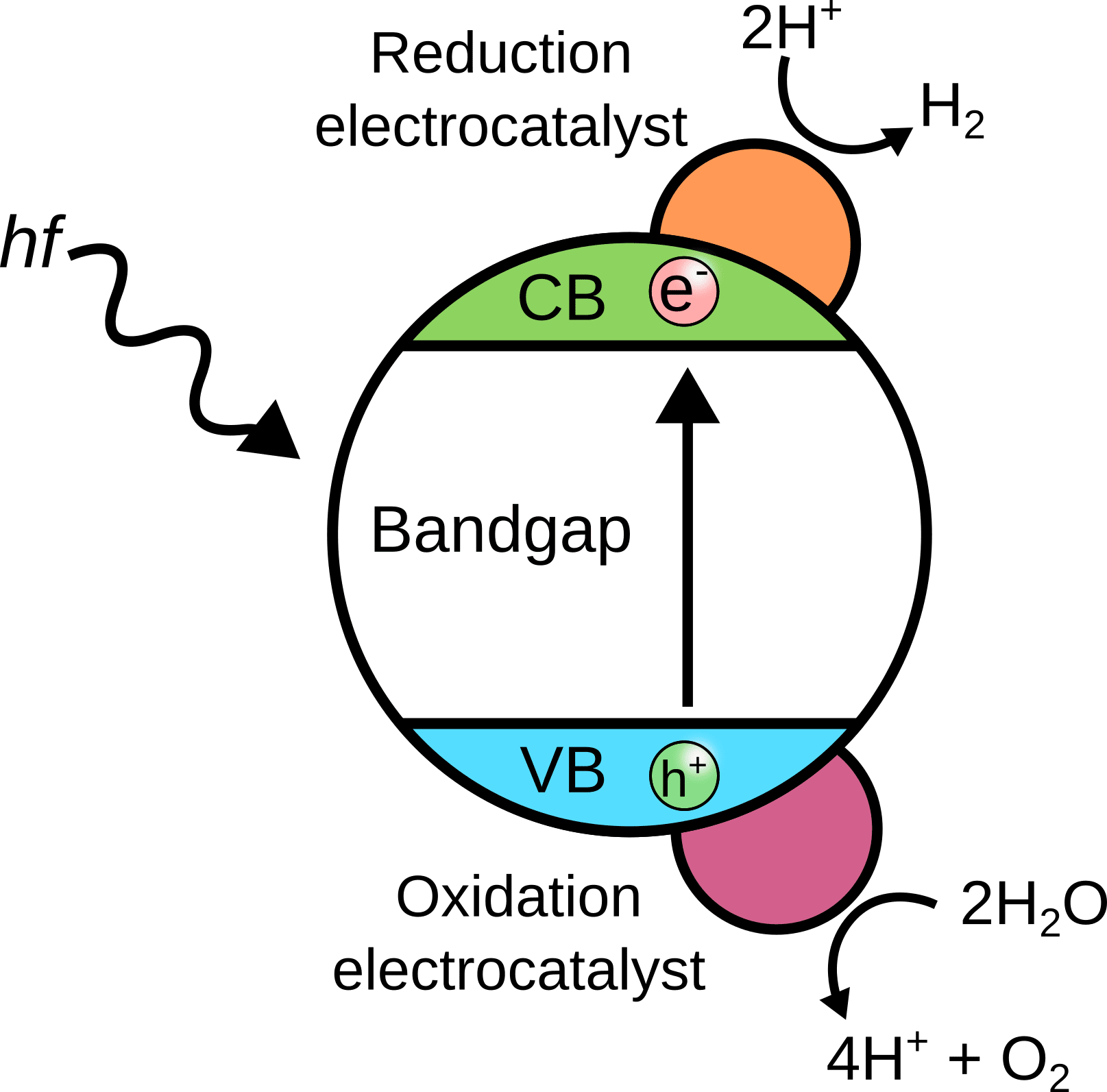
Researchers at the Centre for Nano and Soft Matter Sciences in Bengaluru have reported a metal-free organic material that could improve solar-driven hydrogen production. The team combined aspartic acid with perylene diimide and allowed the molecules to self-assemble into ordered two-dimensional nanosheets in water.
According to the Department of Science and Technology release, the self-assembled material showed nearly 18% higher photocurrent than its bulk counterpart during solar-driven water-splitting experiments. The reported mechanism involves broader light absorption, better charge separation and more efficient charge transport created by the molecular organisation.
The result is promising, but it is laboratory-stage materials research rather than a commercial hydrogen-production system. Scaling the material, maintaining stability, measuring real-world solar-to-hydrogen efficiency and comparing lifecycle costs with competing catalysts will determine whether the approach becomes practically important.
Prelims Lens
Prelims Lens
Photocatalysis uses light to drive a chemical reaction through a catalyst.
Green hydrogen can be produced using renewable energy, but production pathways and catalysts differ.
Watch the trap: An 18% increase in photocurrent is not the same as 18% solar-to-hydrogen efficiency.
Mains Lens
Mains Lens
Central issue: CeNS researchers have reported a metal-free organic photocatalyst design that improves performance in solar-driven water-splitting experiments.
Material innovation for reducing dependence on scarce or costly catalyst metals
The gap between laboratory performance and scalable clean-energy deployment
India angle: India's green-hydrogen ambitions depend not only on electrolyser deployment but also on a broader domestic research ecosystem for materials and catalysts.
Possible UPSC-style questionWhy is laboratory efficiency alone insufficient to judge whether a clean-energy material can become commercially significant?