IndiaMaratha quota protest heads toward Mumbai as police deny permission for Jarange-Patil's hunger strike
The mobilisation begins during Ganeshotsav and reopens the constitutional and political dispute over OBC inclusion and Kunbi certificates.
THE INDIQA Research DeskPublished 14 Sept 2026Updated 14 Sept 20261 min read
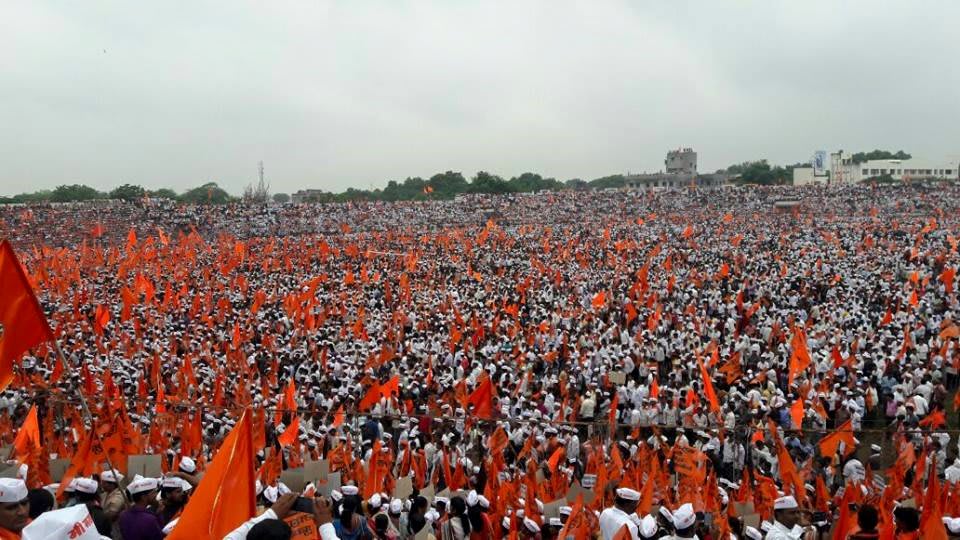
Maratha reservation activist Manoj Jarange-Patil is preparing a march toward Mumbai as the movement again escalates over OBC inclusion and Kunbi caste certificates. Mumbai Police have denied permission for his proposed hunger strike in the city.
The mobilisation is politically sensitive because it overlaps with Ganeshotsav and could create major law-and-order and transport challenges. Jarange has demanded that more Marathas be recognised through Kunbi records so they can access OBC reservation benefits.
The constitutional issue is complex. Reservation policy must balance social backwardness, administrative classification, judicial scrutiny and competing claims from groups already included in OBC categories.
CIVIL SERVICES VIEWStudy this development
GS-IIGS-IReservation policy, caste classification and right to protestPrelims: MediumMains: HighIntermediate
Why this matters
Jarange-Patil is preparing a Mumbai mobilisation while police have denied permission for a hunger strike.
Key facts
- Reservation policy in India operates within constitutional equality provisions.
- OBC identification involves social and educational backwardness and administrative processes.
Key terms
- Maratha reservation
- OBC
- Kunbi
- right to protest
- Maharashtra
Background and concepts
Jarange-Patil is preparing a Mumbai mobilisation while police have denied permission for a hunger strike.
Arguments, challenges and policy responses
- Reservation and social justice
- Right to protest versus public order
- Administrative use of historical caste records
India’s context
The movement can reshape Maharashtra politics while also testing the legal architecture of caste-based affirmative action.
Keep in mind
A caste certificate and inclusion in a reservation category are related but not identical legal questions.
Practice question
How should governments balance social-justice claims, legal limits and public-order concerns in large reservation movements?
Revision summary
- Administrative use of historical caste records
- Reservation and social justice
- Right to protest versus public order
- OBC identification involves social and educational backwardness and administrative processes.
- Reservation policy in India operates within constitutional equality provisions.
DISCUSSION & EDITORIAL REVIEW
Join the discussion
Comment on the story, report a factual or editorial issue, or tell us whether the article was useful.
Comments
Public comments appear after editorial review.