Article 371(K) is on the table for Ladakh. The unresolved question is how much power it would actually protect
The Centre has floated a new constitutional safeguard for Ladakh, but land, jobs and the powers of elected institutions remain the real negotiating points.
THE INDIQA Desk10 Sept 20261 minPolity & Governance
60-Second Summary
A proposed Article 371(K) could become the constitutional route for Ladakh-specific safeguards, but land, jobs and elected-body powers remain unresolved and the provision has not yet been enacted.
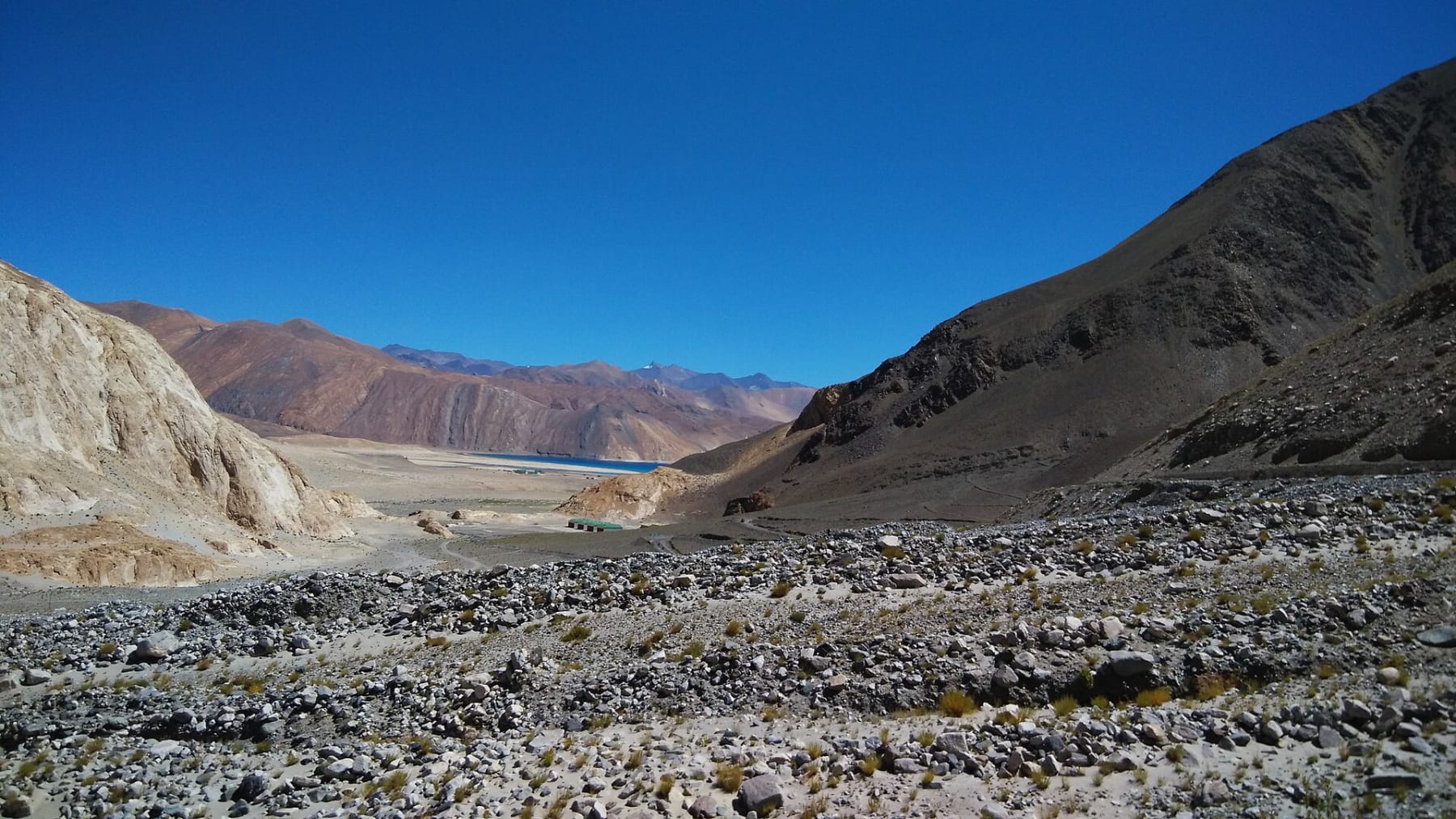
Image: Deepa 07 / Wikimedia Commons - CC BY-SA 4.0
The Centre has indicated that a new Article 371(K) could be considered for Ladakh as talks continue over constitutional and political safeguards for the Union Territory. The proposal is significant because Article 371 provisions already give tailored protections to several states, but the Ladakh discussion is still at the negotiating stage and no new constitutional provision has been enacted.
The core dispute goes beyond the name of the article. Ladakhi groups have sought stronger protection over land and public employment, along with greater democratic representation and institutional control. Those questions will determine whether any settlement meaningfully changes the balance of power or simply creates a narrower set of safeguards.
For exam purposes, the distinction matters: Article 371 is part of the Constitution's asymmetric federal arrangements, while the Sixth Schedule creates autonomous district and regional councils in specified tribal areas. Ladakh's demand has often been discussed through both frameworks, but they are not legally interchangeable.
The Sixth Schedule is a separate constitutional framework for autonomous councils in specified tribal areas.
Mains Lens
Mains Lens
Central issue: The Centre has floated a new constitutional safeguard for Ladakh, but land, jobs and the powers of elected institutions remain the real negotiating points.