Kolkata suspended 40 food licences after a citywide safety drive
Inspections found refrigeration, sanitation and pest-control failures, underlining the enforcement side of food regulation.
THE INDIQA Research Desk9 Sept 20262 minHealth & Social Issues
60-Second Summary
Inspections found refrigeration, sanitation and pest-control failures, underlining the enforcement side of food regulation.
UPSC Relevance
PrelimsHigh
MainsGS-II · Medium
SubjectHealth & Social Issues, Polity & Governance
TopicFood safety and urban regulation
Importance★★★☆☆
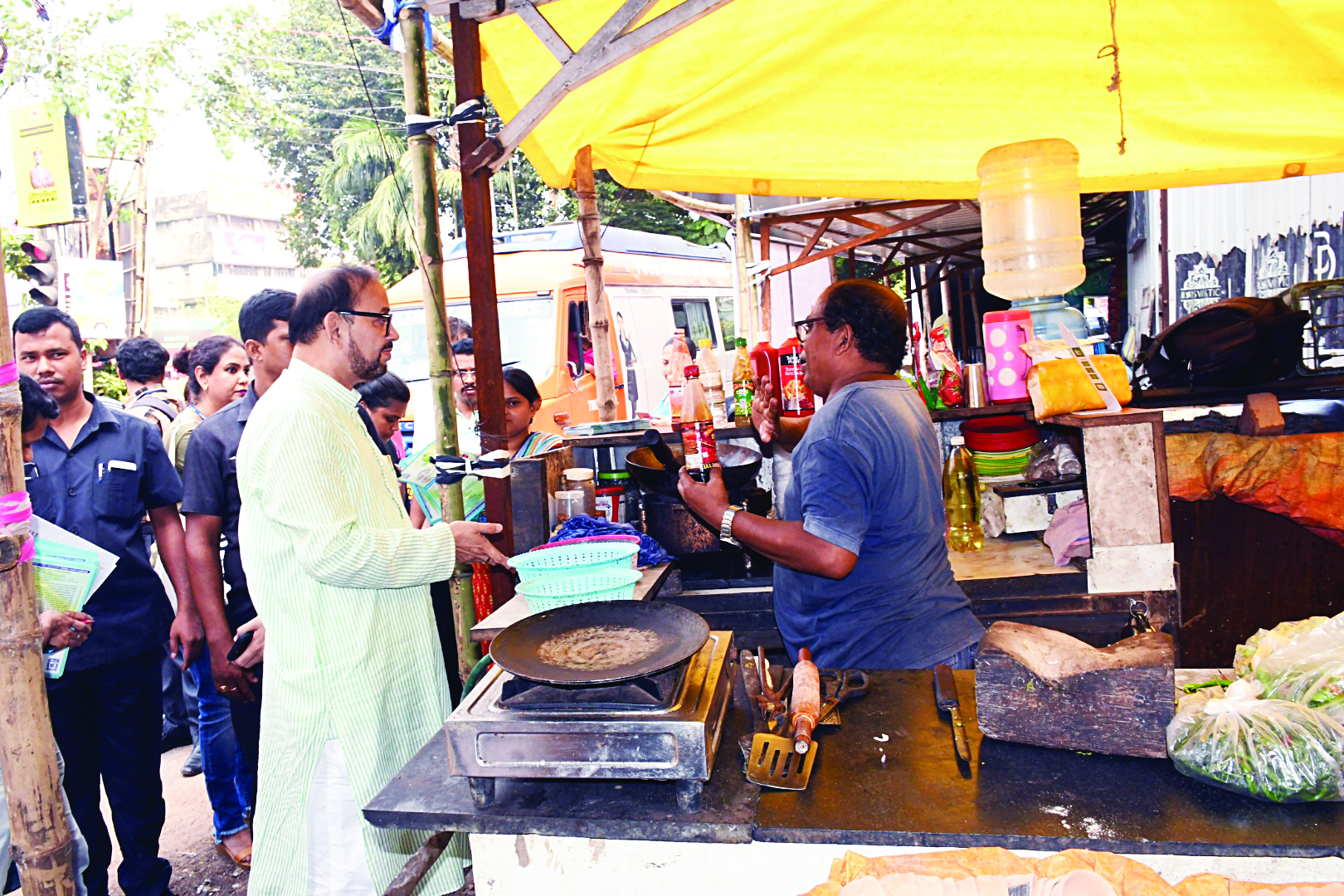
Image: Millennium Post - food-safety inspection file photo
Kolkata Municipal Corporation suspended the food licences of 40 eateries after inspections found serious hygiene and food-storage violations. Officials said hundreds of establishments were inspected, samples collected and non-conforming food destroyed.
The broader lesson is that food-safety regulation is only as effective as local inspection, testing capacity and enforcement. India has national standards through FSSAI, but municipal and state-level implementation determines what consumers experience in restaurants, markets and food businesses.
Prelims Lens
Prelims Lens
Food businesses operate within a licensing and standards framework under India’s food-safety law.
Mains Lens
Mains Lens
Central issue: Inspections found refrigeration, sanitation and pest-control failures, underlining the enforcement side of food regulation.
Dimensions: Health & Social Issues · Polity & Governance
Local enforcement capacity in public-health regulation
India angle: The drive shows how national food-safety rules depend on city-level implementation.
Possible UPSC-style questionWhy is municipal enforcement capacity essential for effective food-safety regulation?