Kerala police booked a TV anchor over a debate on a cleric's remarks. The legal issue is speech versus religious offence
Senior journalist Aparna Kurup faces an FIR over remarks made while questioning a cleric's comments on women's conduct, bringing criminal speech law and media freedom into the same case.
THE INDIQA Desk10 Sept 20263 minPolity & Governance
60-Second Summary
The case raises a speech-law question, but the FIR is only the start of the criminal process and does not establish that the alleged offences have been proved.
UPSC Relevance
PrelimsHigh
MainsGS-II · GS-IV · High
SubjectPolity & Governance, Ethics & Society
TopicPolity & Governance
Importance★★★★☆
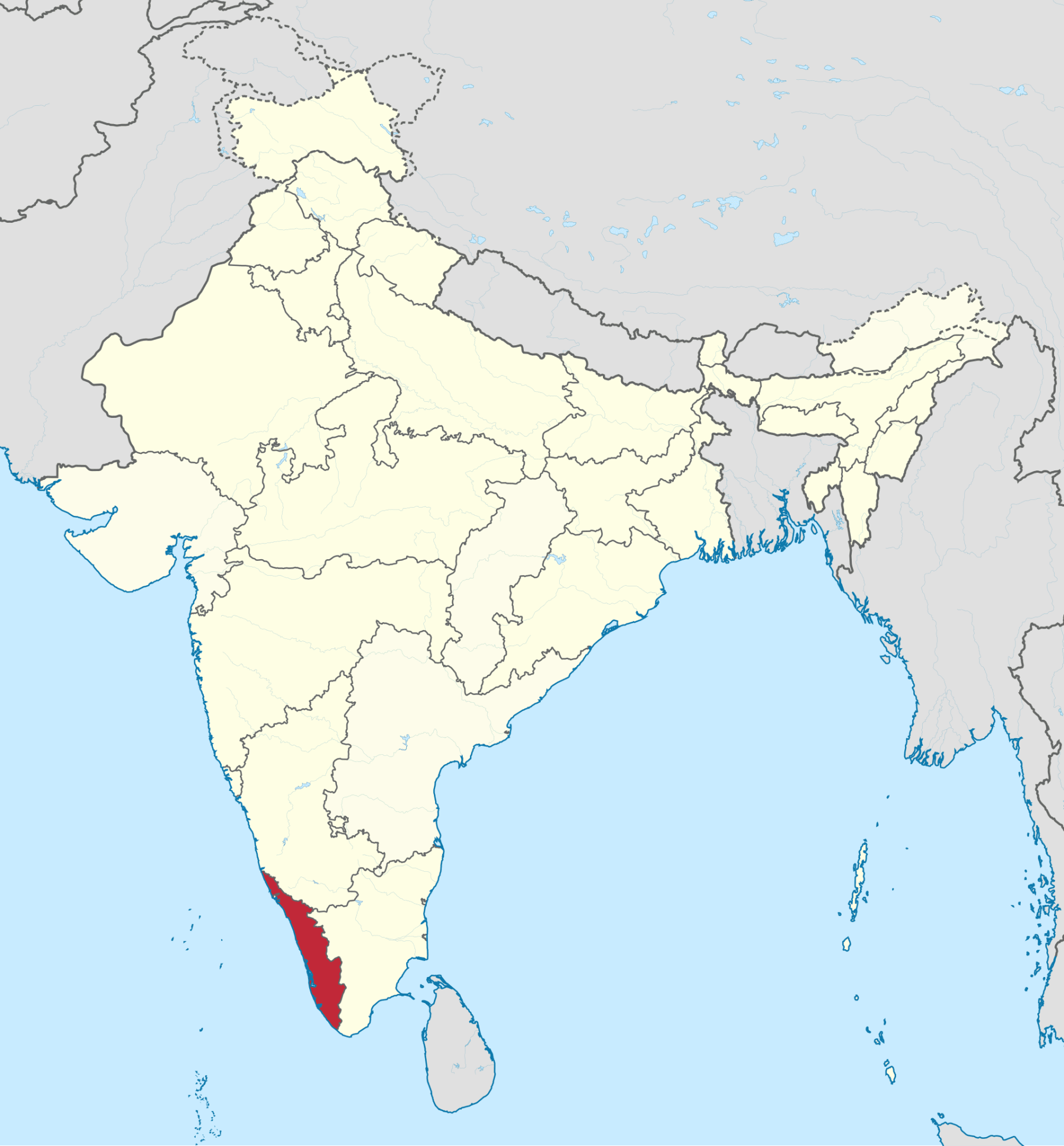
Image: TUBS / Wikimedia Commons - CC BY-SA 3.0
Kerala Police have registered a case against senior television journalist Aparna Kurup over comments she made while hosting a debate about remarks by Muslim cleric Kanthapuram Aboobacker Musliyar on women's conduct in public places. The case followed complaints alleging that her comments hurt religious sentiments and promoted enmity.
The most important legal point is procedural: an FIR records allegations and begins a criminal process; it does not establish guilt. The eventual legal test would have to consider the exact words used, their context and the ingredients of the offences invoked, alongside constitutional protection for speech and the reasonable restrictions permitted by law.
For media governance, the case is useful because it sits where journalism, religious sensitivity and criminal law meet. A democratic system has to protect robust questioning and criticism while also dealing with speech that crosses legally defined thresholds. Those thresholds cannot be inferred simply from the fact that a complaint has been filed.
Prelims Lens
Prelims Lens
Article 19(1)(a) protects freedom of speech and expression.
An FIR initiates investigation; it is not a judicial finding of guilt.
Watch the trap: Do not report an FIR as proof that the accused committed the alleged offence.
Mains Lens
Mains Lens
Central issue: Kerala Police registered an FIR against a television journalist over comments made during a debate on a cleric's remarks about women.
Dimensions: Polity & Governance · Ethics & Society
Balancing freedom of expression with legally defined restrictions
The chilling-effect risk when criminal law intersects with journalistic debate
India angle: The wider India question is whether criminal speech provisions are applied with enough precision to protect both social peace and legitimate public debate.
Possible UPSC-style questionHow should criminal-law restrictions on speech be reconciled with protection for robust journalistic criticism in a constitutional democracy?