Karnataka is bringing back student-union elections after 37 years
The Cabinet has cleared a framework for college elections without party affiliation, reopening a debate about campus democracy, representation and institutional autonomy.
THE INDIQA Desk10 Sept 20263 minPolity & Governance
60-Second Summary
The new framework revives campus elections while restricting political-party affiliation, making democratic participation and institutional safeguards the central issue.
UPSC Relevance
PrelimsMedium
MainsGS-II · GS-IV · High
SubjectPolity & Governance, Ethics & Society
TopicPolity & Governance
Importance★★★★★
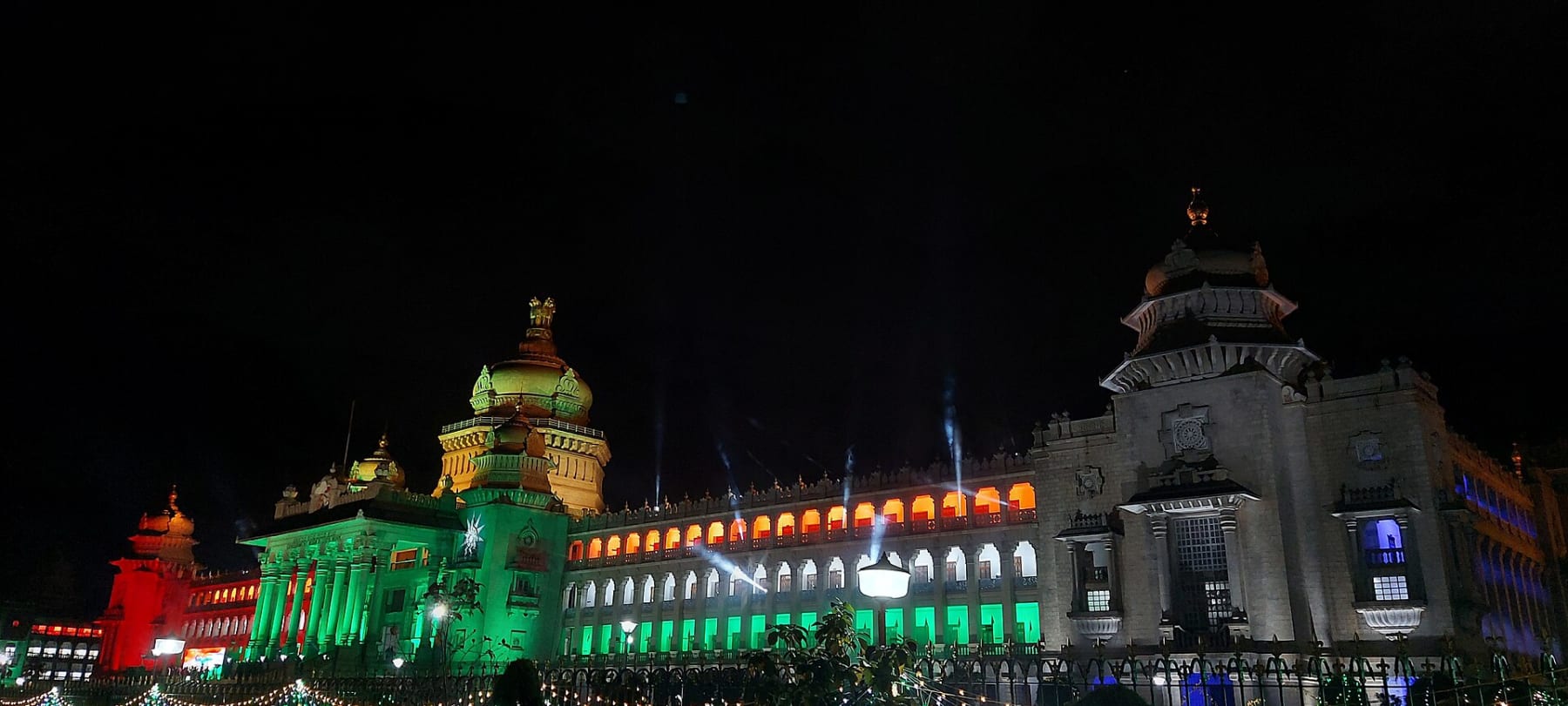
Image: Wikimedia Commons - CC BY-SA 4.0
The Karnataka Cabinet has cleared recommendations to restore student-union elections in colleges after a 37-year ban. According to The Indian Express, the framework bars formal political-party affiliation and requires institutions to hold elections when students favour them, while allowing elections to be skipped if students do not want them.
The proposed structure includes office-bearer positions and representation for women, but the government has not provided caste-based reservation in the student bodies. That makes the design of representation itself part of the policy debate, alongside concerns that originally led institutions to restrict electoral politics on campuses.
The larger governance question is whether universities can create spaces for democratic participation without allowing intimidation, partisan capture or disruption of academic life. Student elections can serve as training grounds for public leadership, but their legitimacy depends on transparent rules, expenditure controls, grievance mechanisms and institutional neutrality.
Prelims Lens
Prelims Lens
Education is on the Concurrent List.
Student-union elections are governed by institutional and state-level rules rather than a single nationwide election law.
Watch the trap: Do not confuse college student-union elections with statutory local-body or Assembly elections.
Mains Lens
Mains Lens
Central issue: Karnataka has approved the return of college student-union elections after a 37-year ban.
Dimensions: Polity & Governance · Ethics & Society
Democratic participation within educational institutions
Balancing student representation with academic order and institutional autonomy
India angle: The decision is a state-level governance experiment whose success will depend less on holding elections than on the rules used to keep them representative and accountable.
Possible UPSC-style questionShould democratic participation through student elections be treated as part of institutional citizenship in higher education? Discuss with safeguards.