
Why the Western Zonal Council matters for India’s federal system
The 28th Western Zonal Council meeting offers a useful window into how Centre-State coordination works beyond Parliament and the courts.
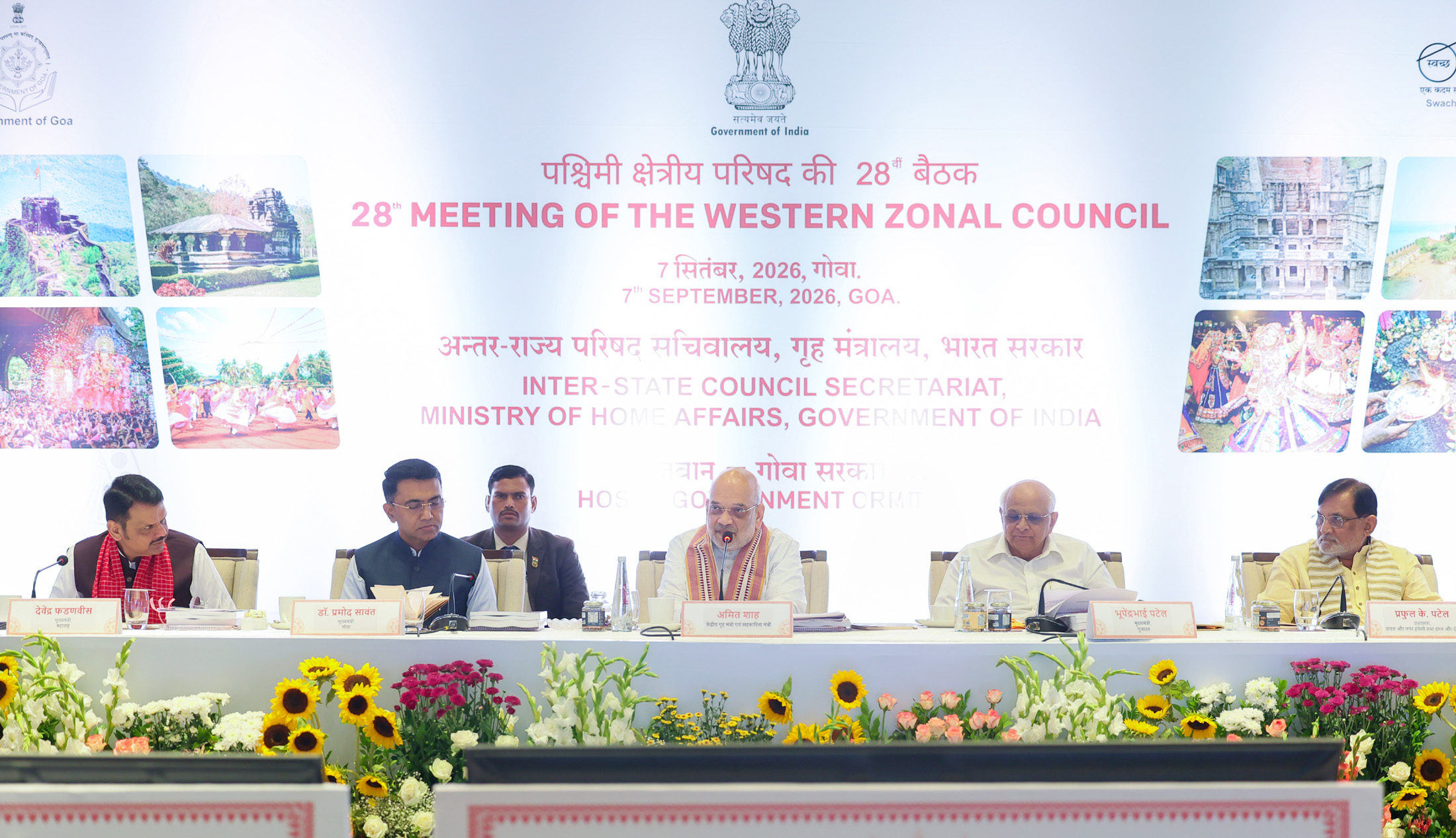
Union Home Minister Amit Shah chaired the 28th meeting of the Western Zonal Council in Panaji on September 7. The Council brings together Goa, Gujarat and Maharashtra with the Union Territory of Dadra and Nagar Haveli and Daman and Diu. The meeting covered issues ranging from Fast Track Special Courts and emergency response systems to food safety, Ayushman Bharat, banking access, rail projects, environmental clearances, power supply, PACS, malnutrition, school dropouts, cybercrime and digital infrastructure.
Zonal Councils are not constitutional bodies. Five of them were created under Sections 15 to 22 of the States Reorganisation Act, 1956, with the North Eastern region served through a separate statutory arrangement. Their importance lies in providing a regular political-administrative forum where the Union and neighbouring States can discuss disputes, implementation gaps and questions that cut across state borders before they harden into larger conflicts.
The government said that 71 meetings of Zonal Councils and their Standing Committees have been held since 2014, compared with 25 during 2004-14. It also said 1,893 issues were discussed in these meetings and 1,445 were resolved. Those figures are government claims, but they illustrate the intended role of the mechanism: cooperative federalism through consultation rather than command.
For civil services aspirants, this is a direct GS Paper II topic. Know the statutory basis of Zonal Councils, their membership, chairmanship and purpose, and distinguish them from the Inter-State Council under Article 263. In a Mains answer, this meeting can be used as a contemporary example of cooperative federalism, inter-governmental coordination and implementation-focused Centre-State relations.