
India’s next EV challenge is freight, not just cars
NITI Aayog’s new PACT platform and Zero Emission Truck Marketplace are designed to solve a difficult problem: making clean trucking commercially scalable.
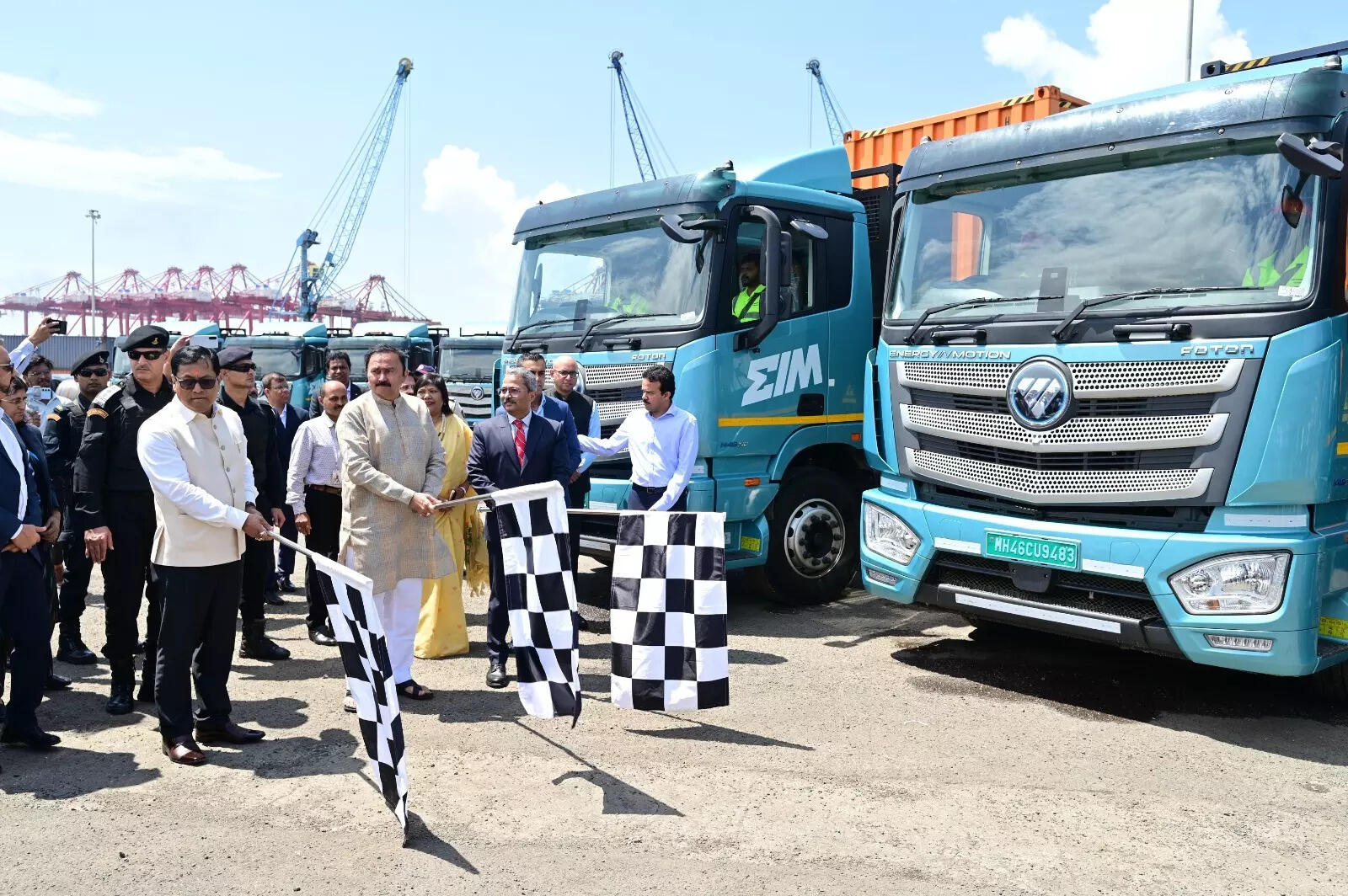
NITI Aayog’s e-FAST India initiative launched the Platform for Aggregating Clean Transport, or PACT, at its fifth summit on September 7. The platform is meant to aggregate freight demand across companies and corridors so that zero-emission truck deployment can move from scattered pilots toward larger, commercially viable fleets. A Zero Emission Truck Marketplace was also introduced to connect demand with manufacturers, charging providers, financiers and other partners.
Freight is a particularly important part of the transport transition. Heavy trucks travel long distances, consume large amounts of diesel and require different charging, financing and utilisation models from passenger electric vehicles. A logistics company may hesitate to buy an expensive zero-emission truck without reliable charging and assured use; a charging operator may hesitate to invest without enough trucks. Aggregating demand is an attempt to reduce that coordination problem.
NITI Aayog linked the initiative to energy security, lower emissions, India’s Net Zero 2070 commitment and the Viksit Bharat 2047 vision. It also highlighted blended finance, leasing and better data as tools for narrowing the cost gap between electric and diesel trucks. The policy is therefore as much about markets and infrastructure as it is about vehicle technology.
For UPSC, connect PACT with GS Paper III topics including infrastructure, energy security, climate mitigation, logistics and electric mobility. In Mains, this is a strong example of the state acting as a market coordinator rather than simply offering a subsidy. It also illustrates why decarbonising hard-to-abate transport segments requires finance, charging networks, demand aggregation and technology to move together.