Steel prices are rising again. Coking coal and imports explain why
Post-monsoon demand is colliding with costlier coking coal even as rising imports limit how far domestic mills can push prices.
THE INDIQA Research Desk8 Sept 20261 minEconomy
60-Second Summary
Post-monsoon demand is colliding with costlier coking coal even as rising imports limit how far domestic mills can push prices.
UPSC Relevance
PrelimsMedium
MainsGS-III · High
SubjectEconomy
TopicSteel industry, coking coal and trade policy
Importance★★★★☆
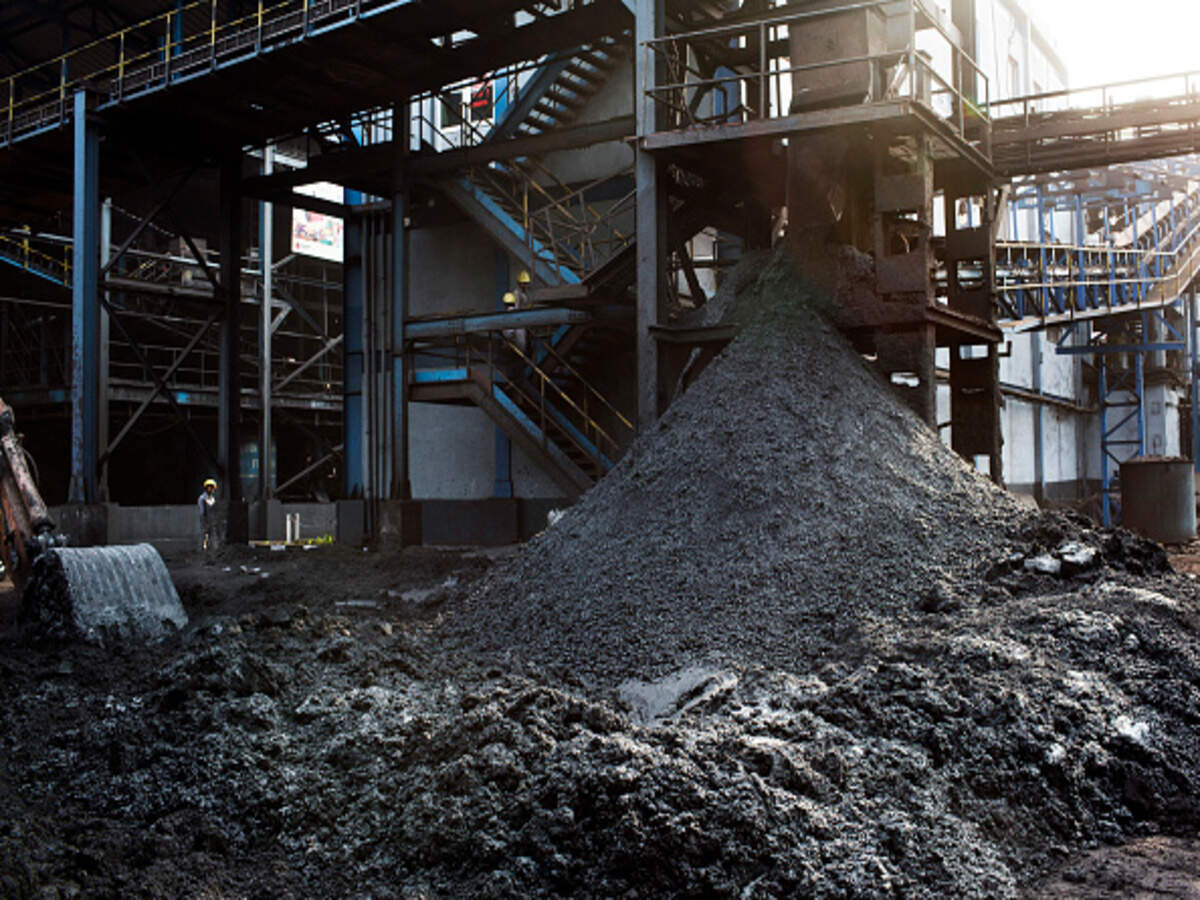
Image: ET EnergyWorld / Tata Steel file photo
Indian hot-rolled coil prices rose by about ₹4,000 per tonne between August and early September, reaching a four-year high, and analysts cited by Reuters expect further increases in the near term. Higher coking-coal costs, maintenance shutdowns and a revival in infrastructure and automobile demand are tightening the market after the monsoon.
The other side of the story is imports. India was a net importer of finished steel in April-July, with imports up 36.6% from a year earlier and China accounting for 31% of the total. Safeguard duties and an anti-dumping investigation show how domestic pricing is now tied to both raw-material security and trade policy.
UPSC relevance: GS III — industrial policy, infrastructure, trade remedies, import dependence and raw-material security. The key distinction is between protecting domestic capacity and maintaining competitive input and consumer prices.
Prelims Lens
Prelims Lens
Indian hot-rolled coil prices rose by about ₹4,000 per tonne between August and early September, reaching a four-year high, and analysts cited by Reuters expect further increases in the near term.
Higher coking-coal costs, maintenance shutdowns and a revival in infrastructure and automobile demand are tightening the market after the monsoon.
The other side of the story is imports.
India was a net importer of finished steel in April-July, with imports up 36.6% from a year earlier and China accounting for 31% of the total.
Mains Lens
Mains Lens
Central issue: Post-monsoon demand is colliding with costlier coking coal even as rising imports limit how far domestic mills can push prices.
Dimensions: Economy
Possible UPSC-style questionDiscuss the key Economy issues raised by “Steel prices are rising again. Coking coal and imports explain why”.