WorldUN chief backs Security Council expansion and says global institutions must reflect today's world
Antonio Guterres' support gives fresh weight to India's long-running demand for greater representation of developing countries in global institutions.
THE INDIQA Research DeskPublished 14 Sept 2026Updated 14 Sept 20261 min read
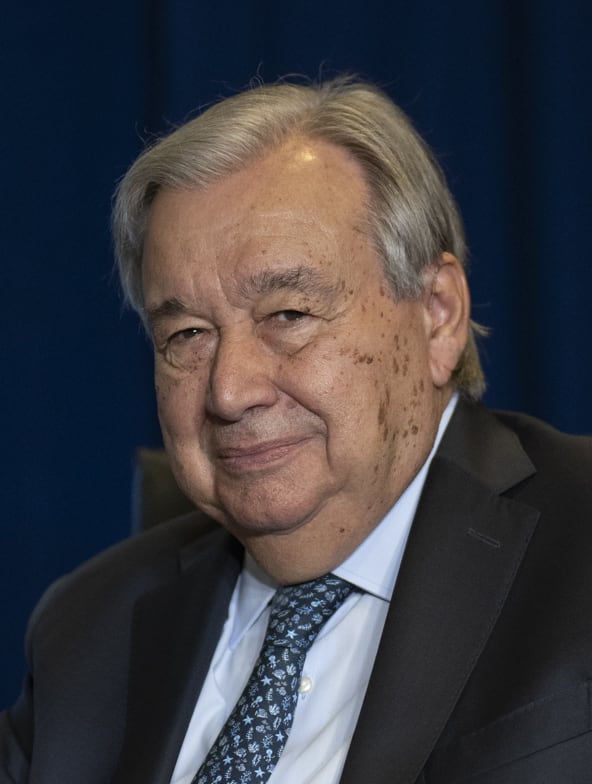
UN Secretary-General Antonio Guterres has backed expansion of the UN Security Council, arguing that institutions created in the 1940s no longer reflect today's economic and demographic realities.
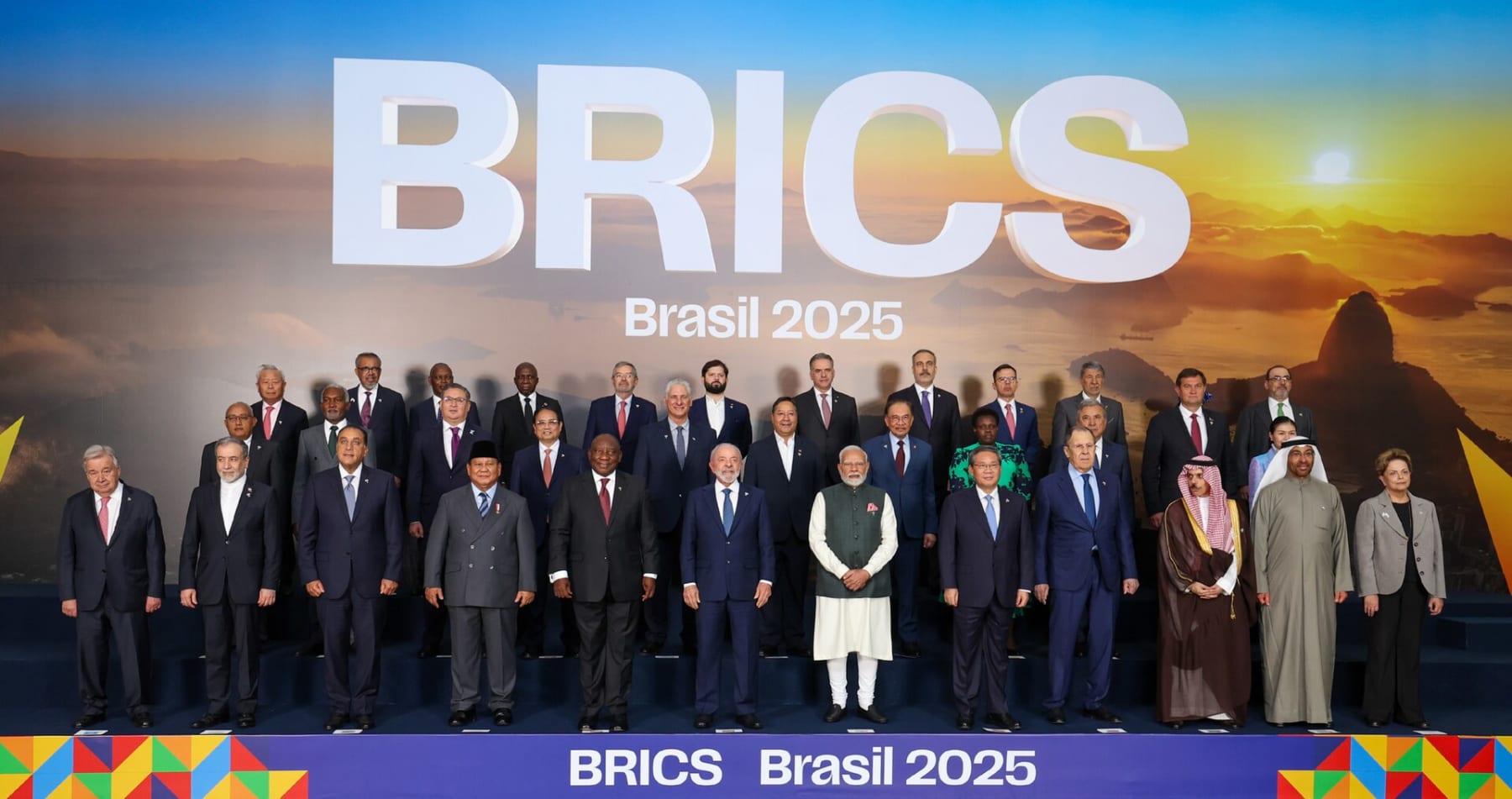
His remarks at the BRICS summit aligned with India's call for the Global South to become a rule-shaper rather than only a rule-taker. The New Delhi Declaration also reiterated support for greater representation of developing countries, including India and Brazil, in the Security Council.
The political obstacle remains the same: reform requires agreement among states that already hold privileged positions. Support in principle therefore does not guarantee institutional change, but it strengthens the legitimacy of the reform demand.
CIVIL SERVICES VIEWStudy this development
GS-IIUN reform and representation of developing countriesPrelims: HighMains: HighCore
Why this matters
The UN Secretary-General publicly backed expansion of the Security Council at BRICS.
Key facts
- The UN Security Council has five permanent members.
- Amending the UN Charter requires a demanding ratification process.
Key terms
- UNSC reform
- Antonio Guterres
- Global South
- permanent members
- multilateralism
Background and concepts
The UN Secretary-General publicly backed expansion of the Security Council at BRICS.
Arguments, challenges and policy responses
- Legitimacy of post-1945 institutions
- Representation of the Global South
- Institutional barriers to UNSC reform
India’s context
India's permanent-membership claim is tied to a wider argument about legitimacy and Global South representation.
Keep in mind
Support from the UN Secretary-General does not itself amend the Security Council.
Practice question
Why has UN Security Council reform remained politically difficult despite broad support for greater representation?
Revision summary
- Amending the UN Charter requires a demanding ratification process.
- Institutional barriers to UNSC reform
- Legitimacy of post-1945 institutions
- Representation of the Global South
- The UN Security Council has five permanent members.
DISCUSSION & EDITORIAL REVIEW
Join the discussion
Comment on the story, report a factual or editorial issue, or tell us whether the article was useful.
Comments
Public comments appear after editorial review.